The Charlie Finley Collection: A Direct Archive From the Man Who Built and Sold an Oakland Dynasty
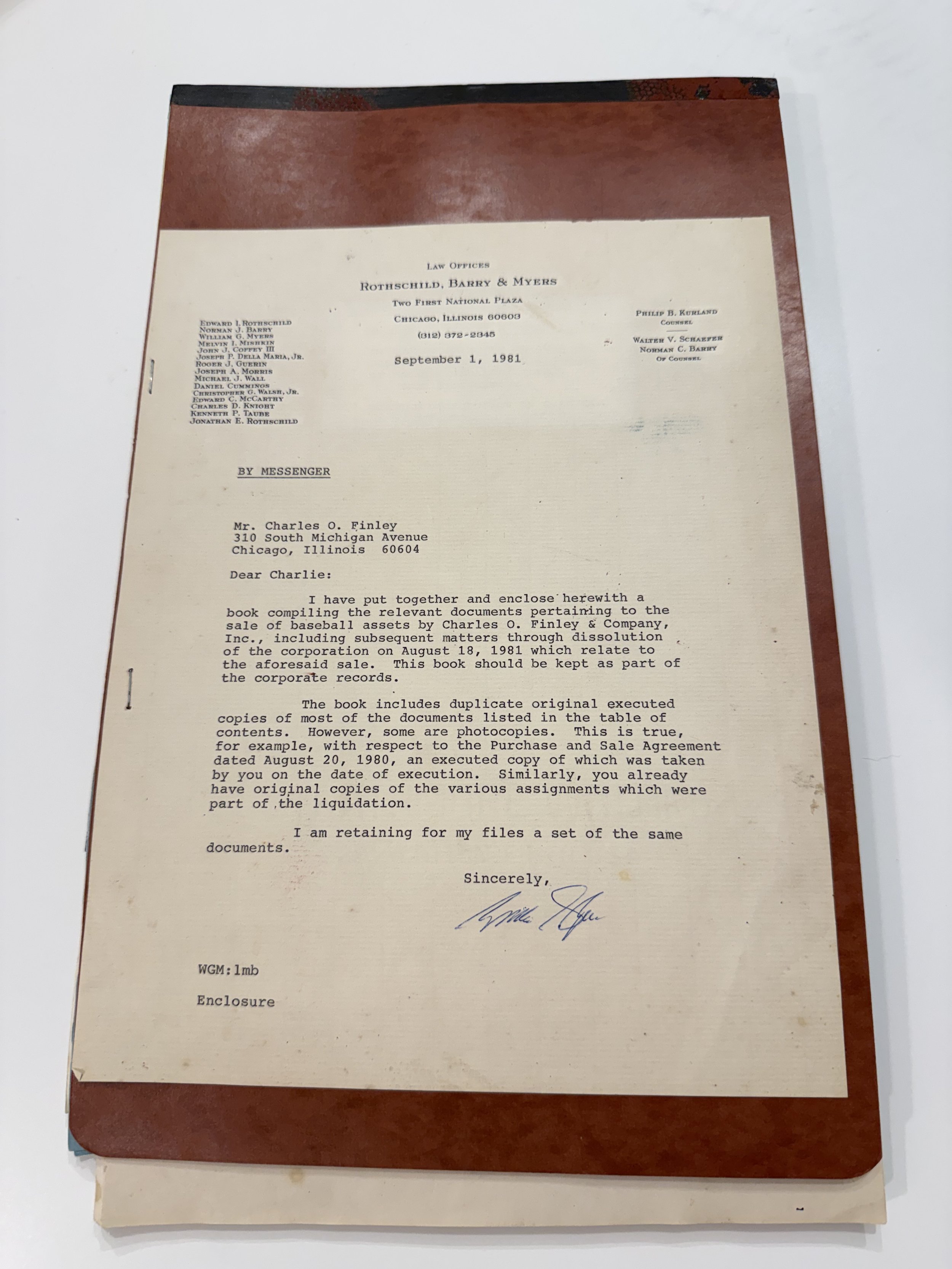
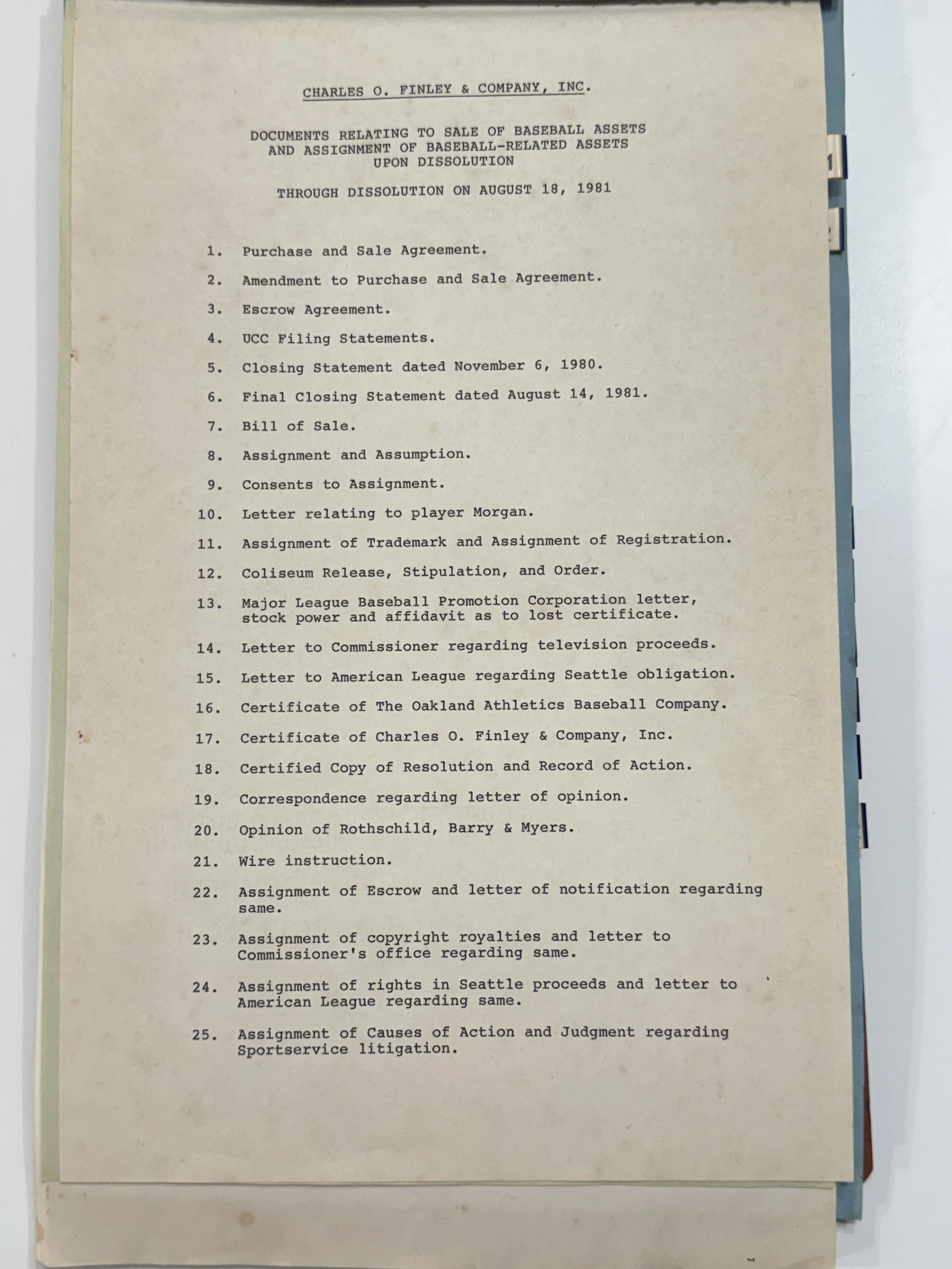
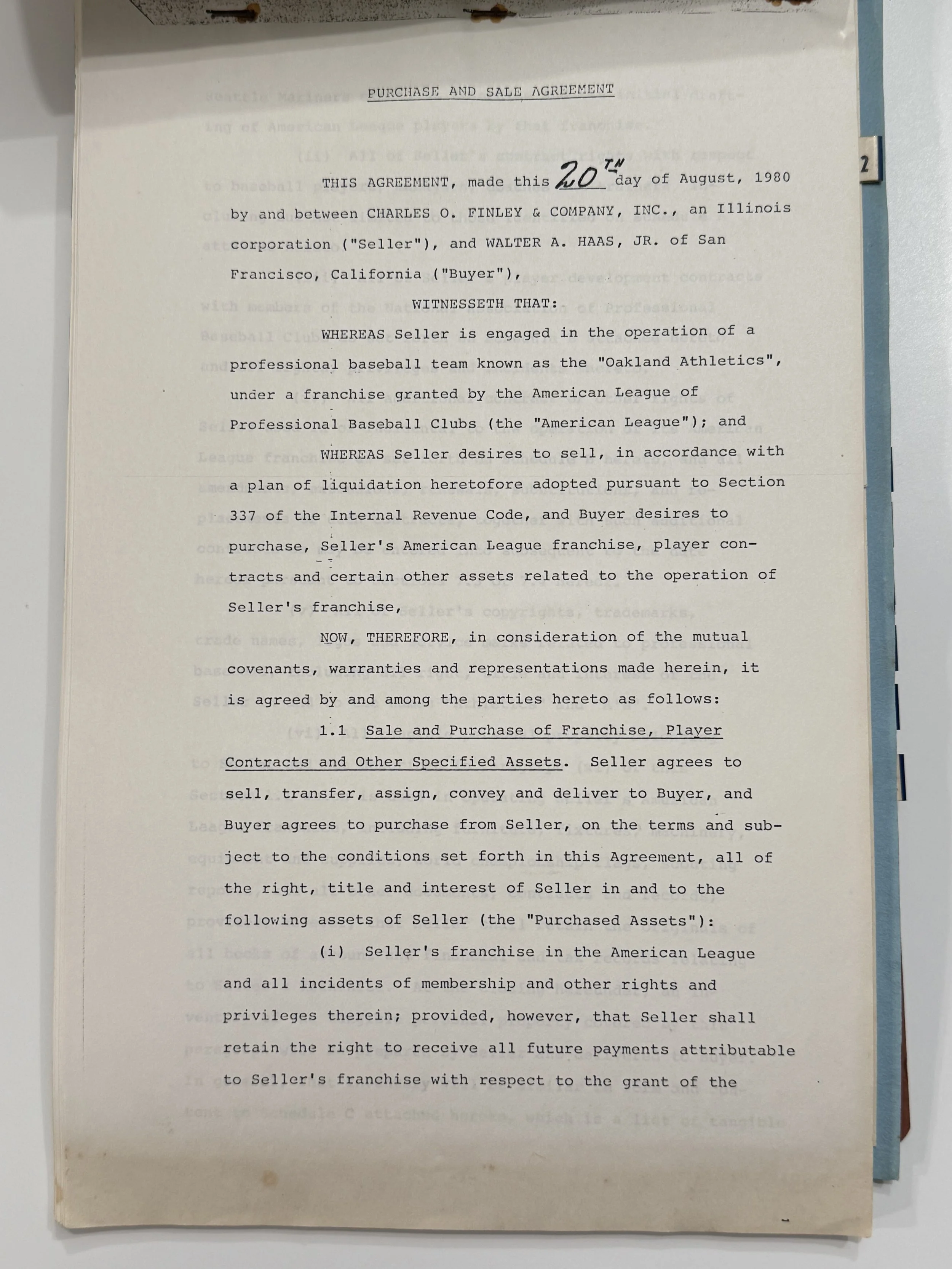
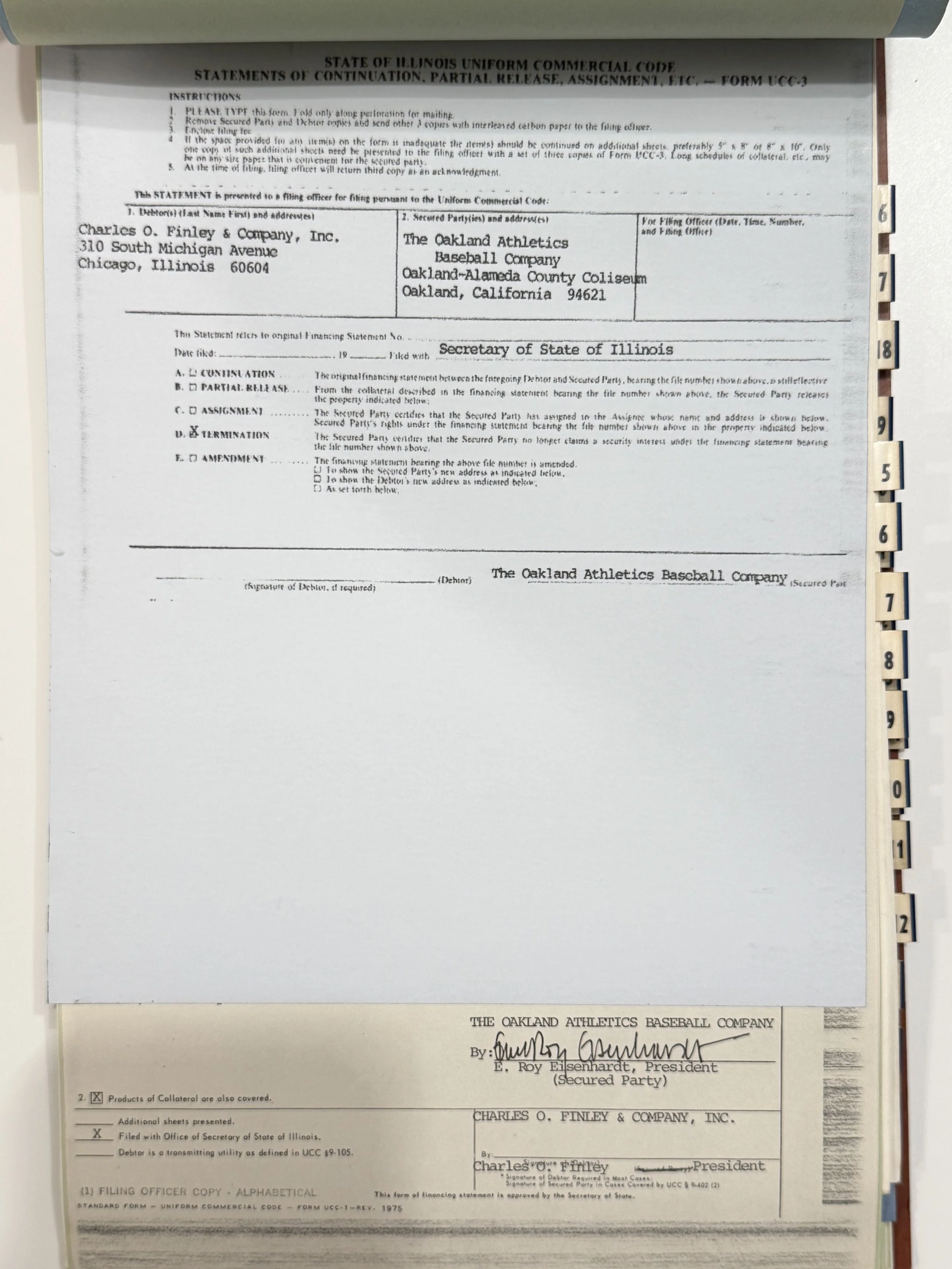
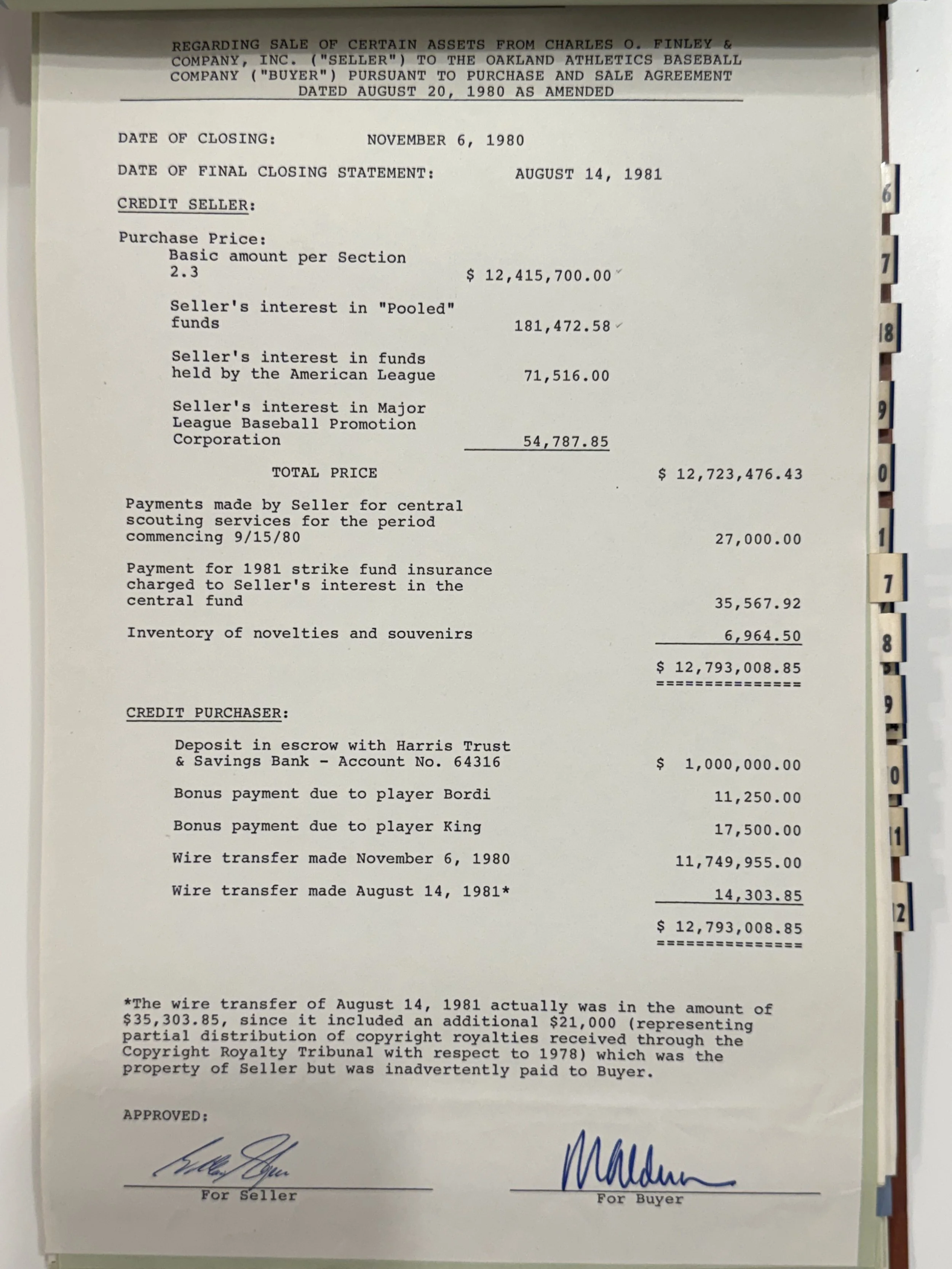
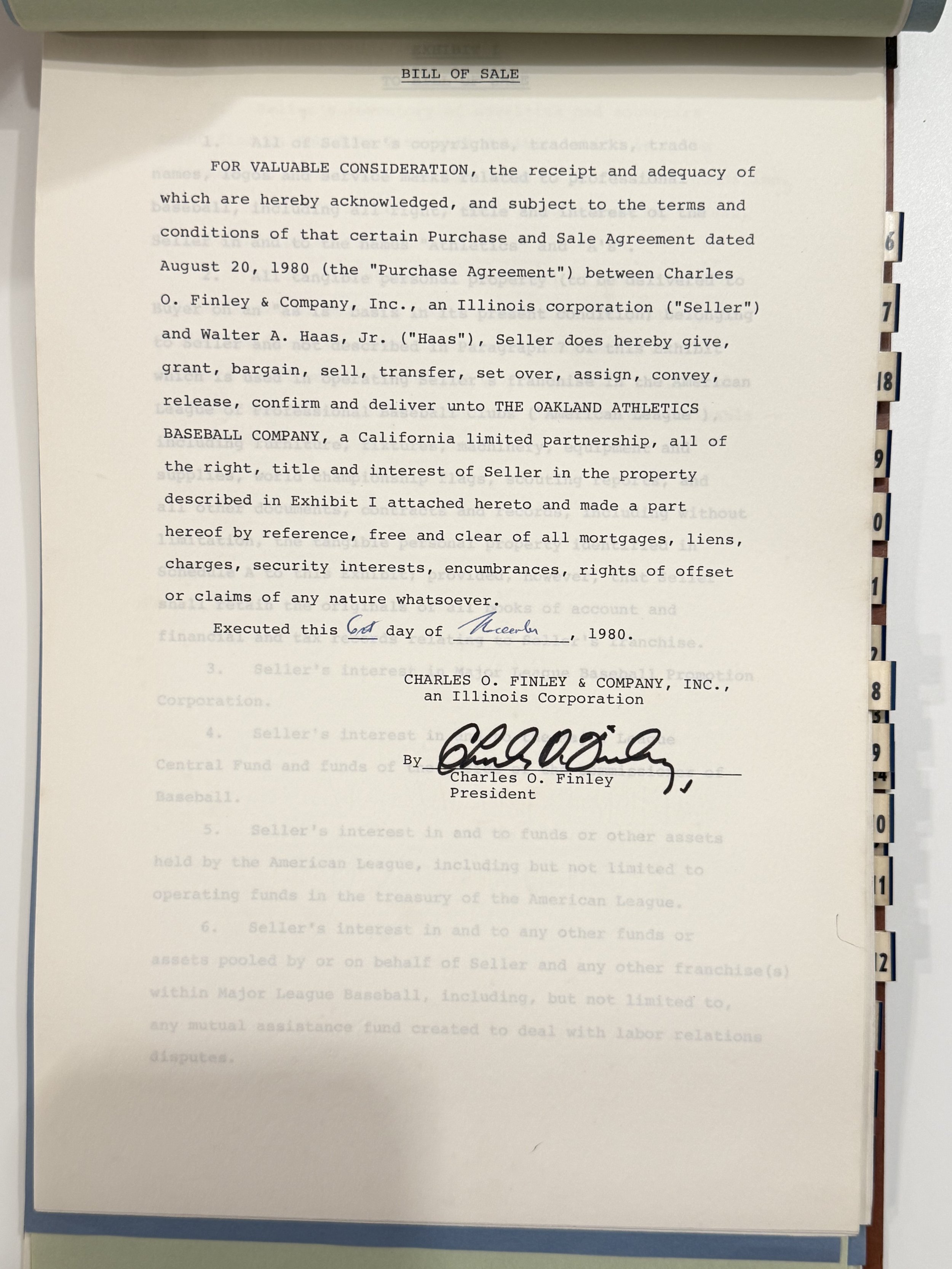
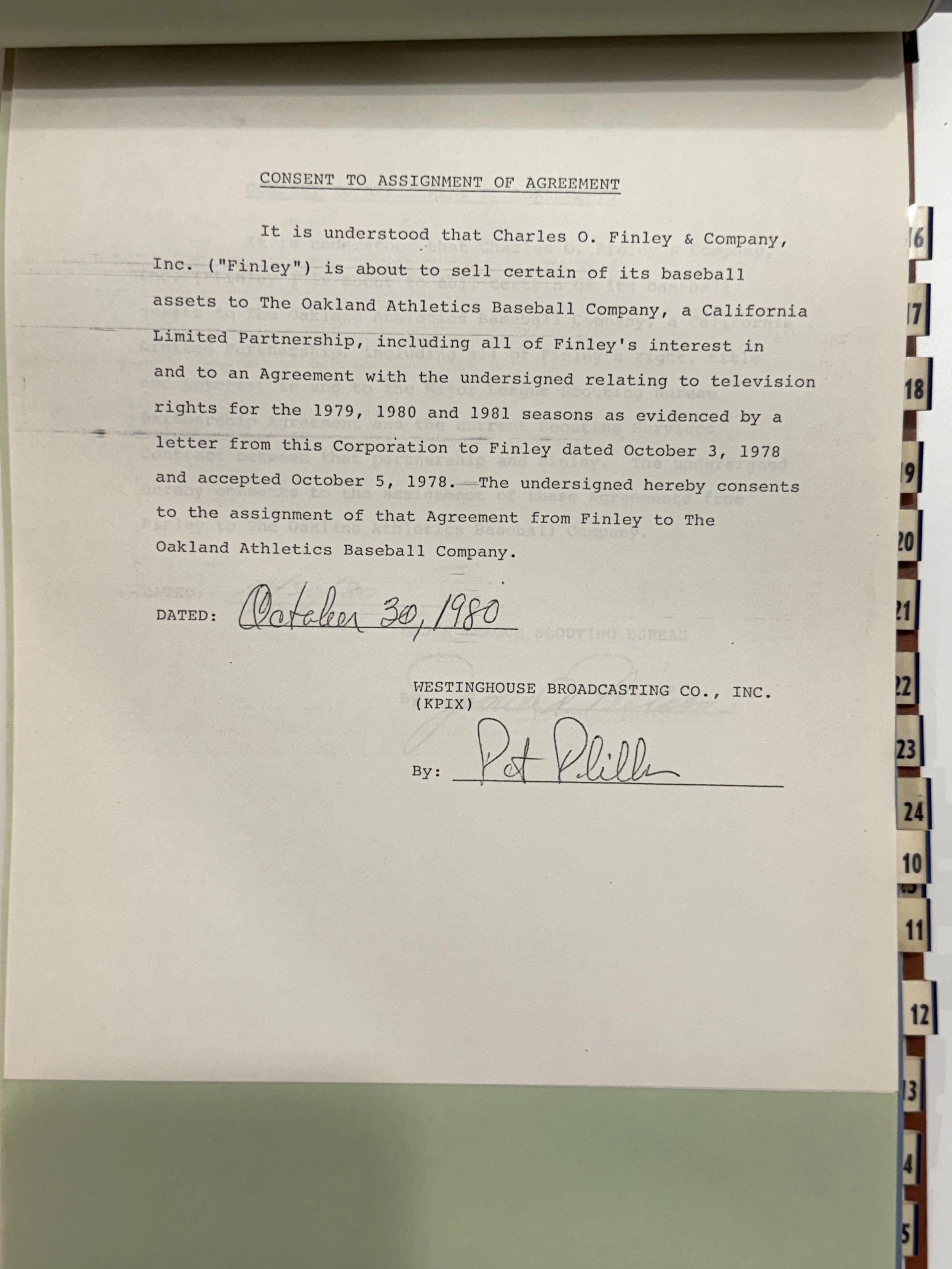
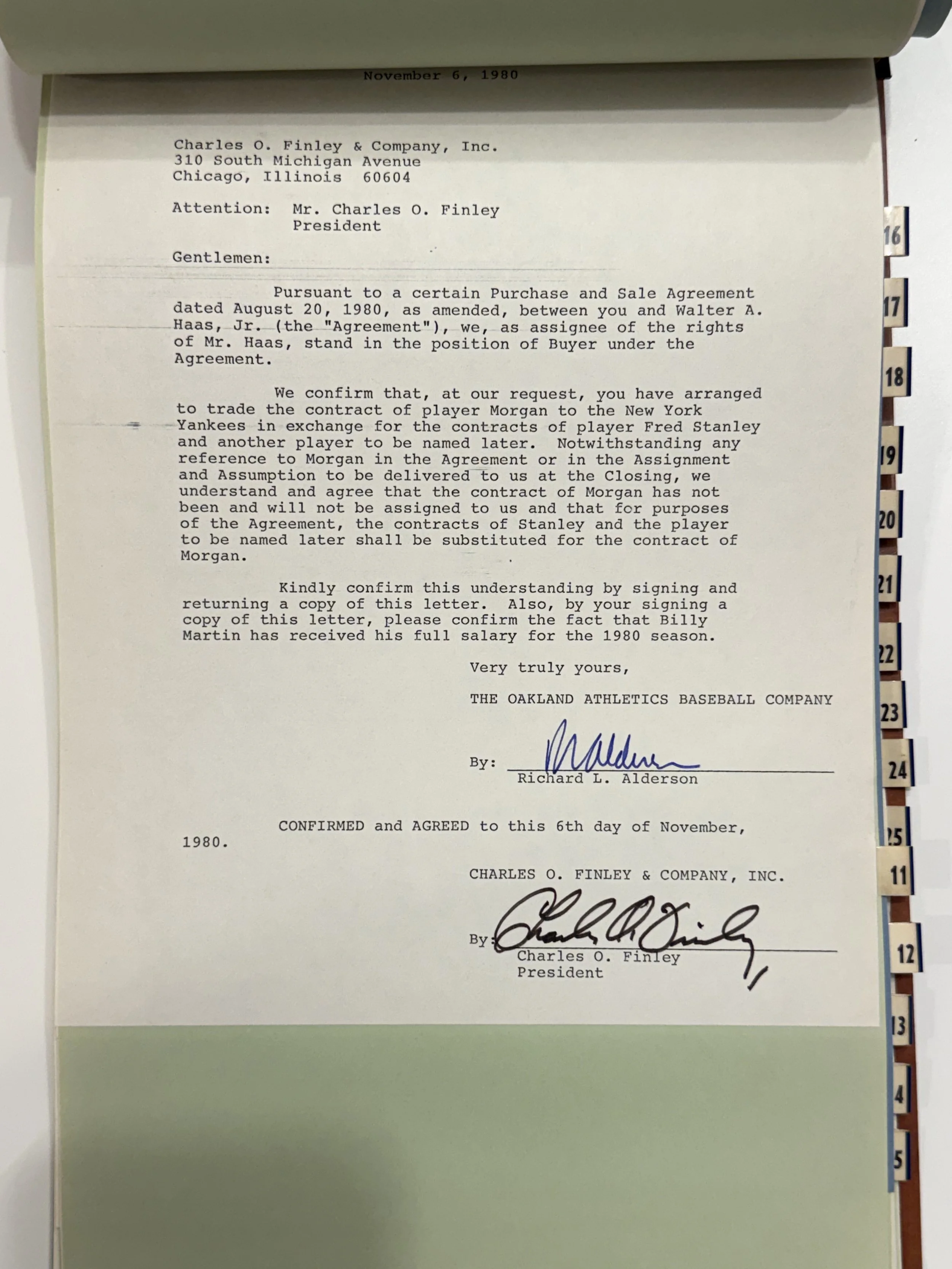
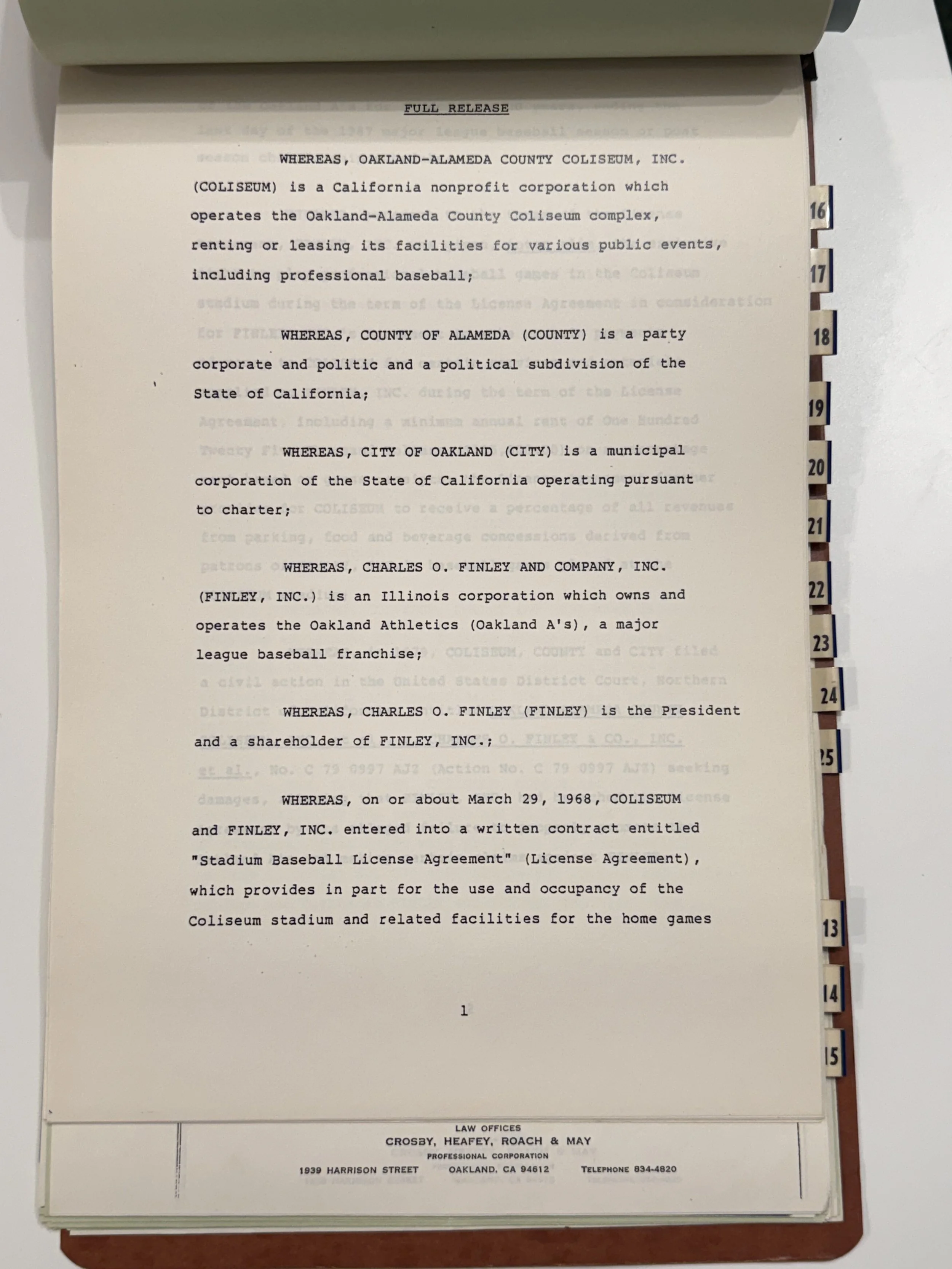
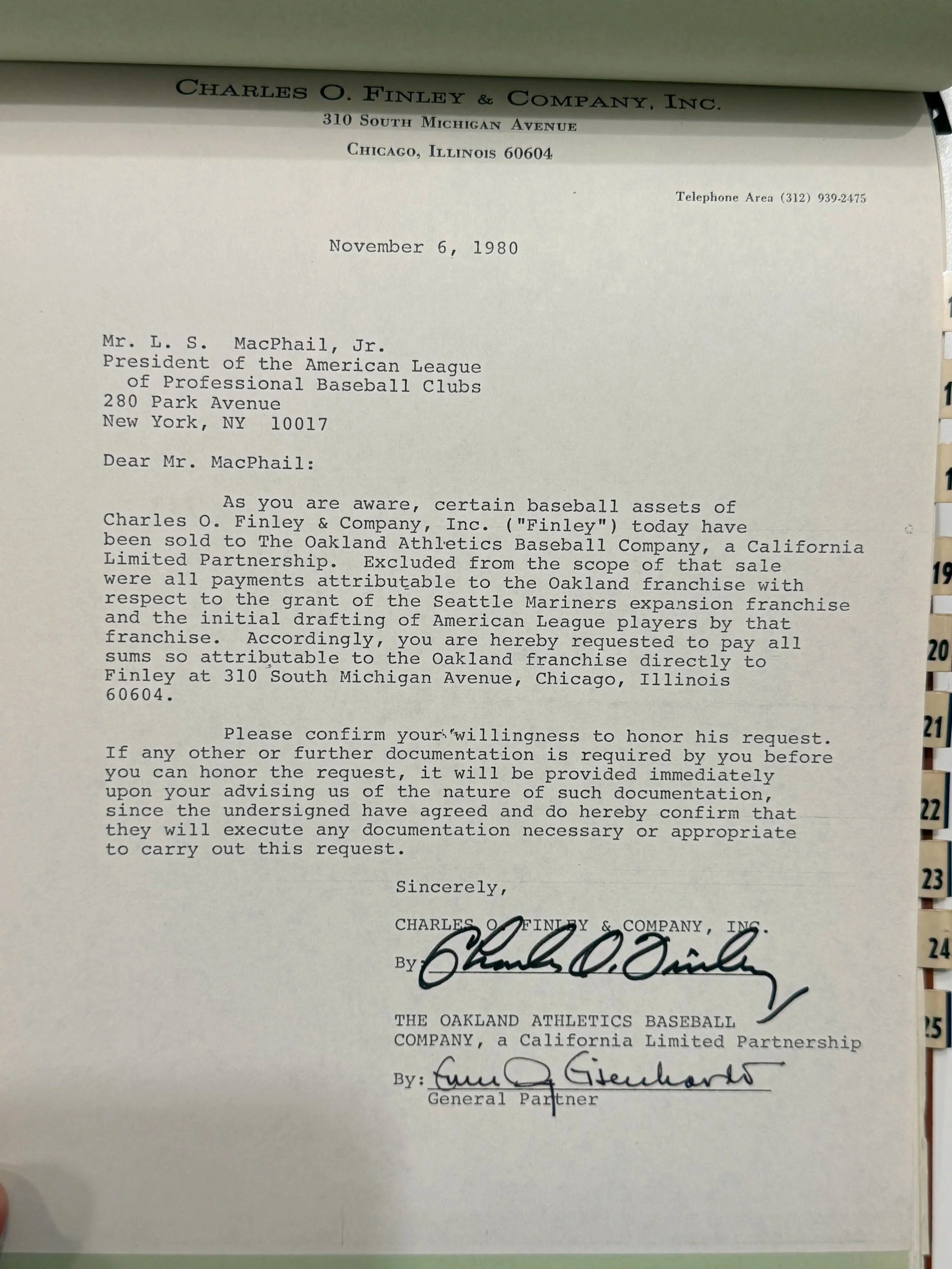
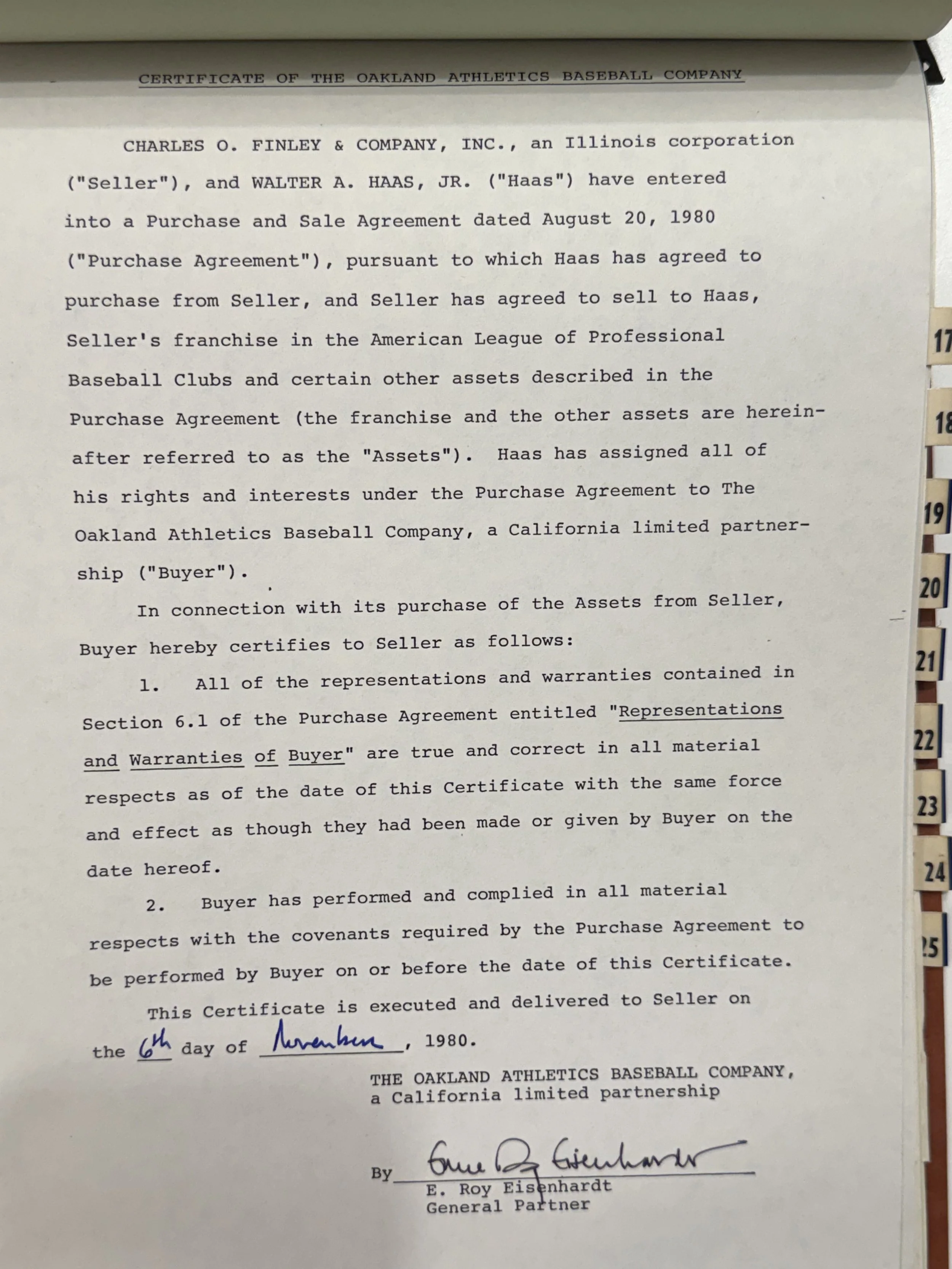
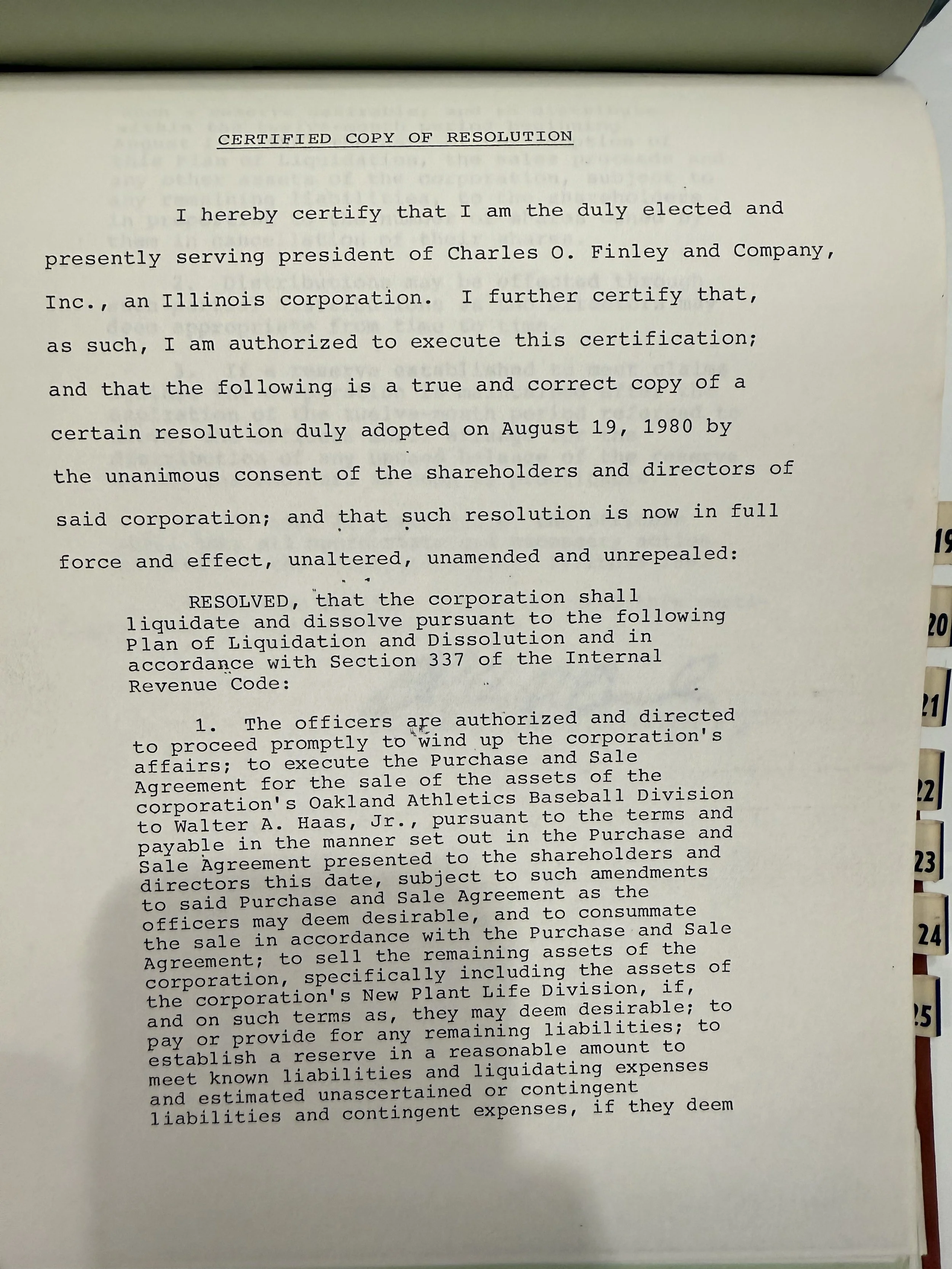
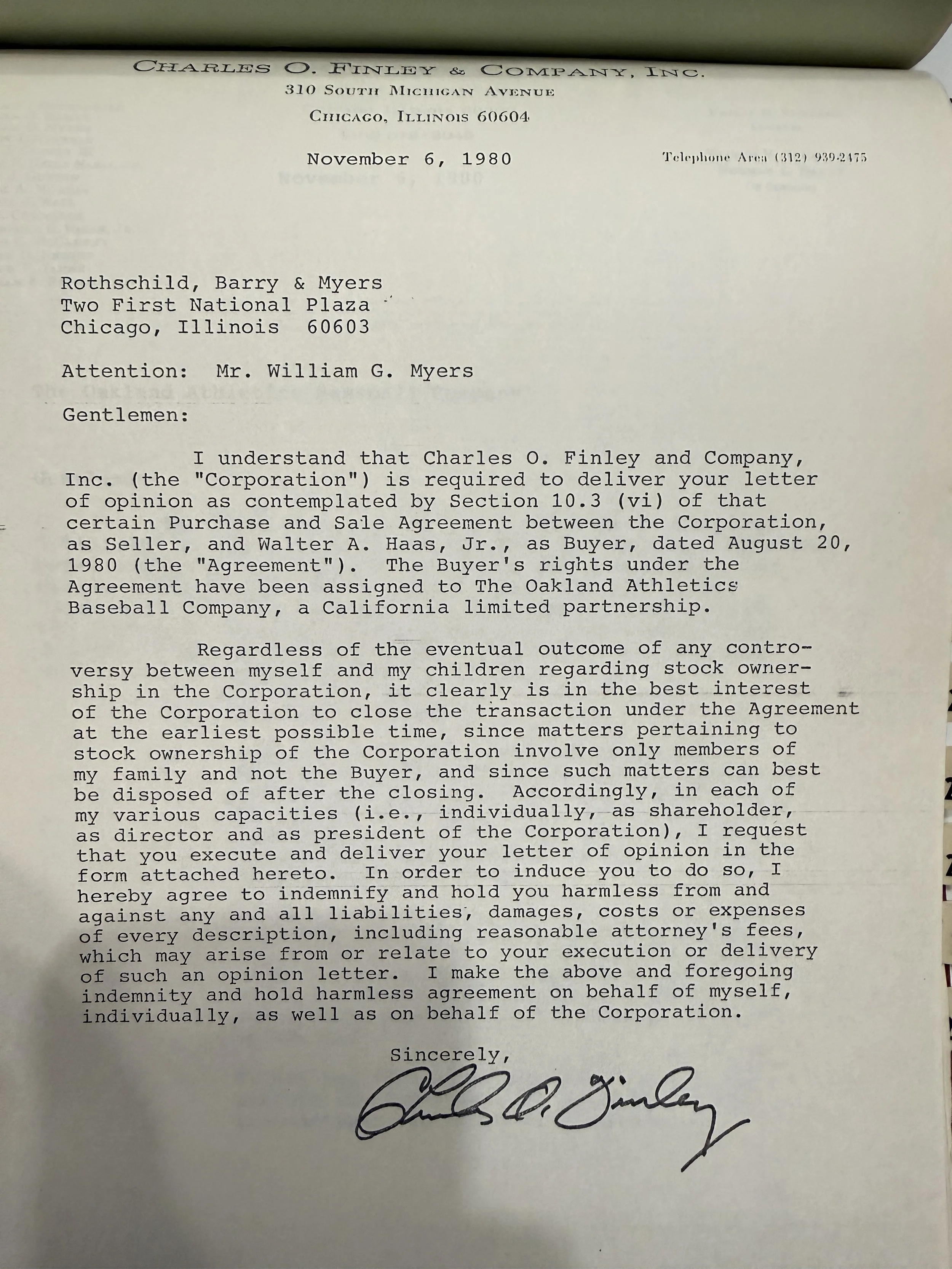
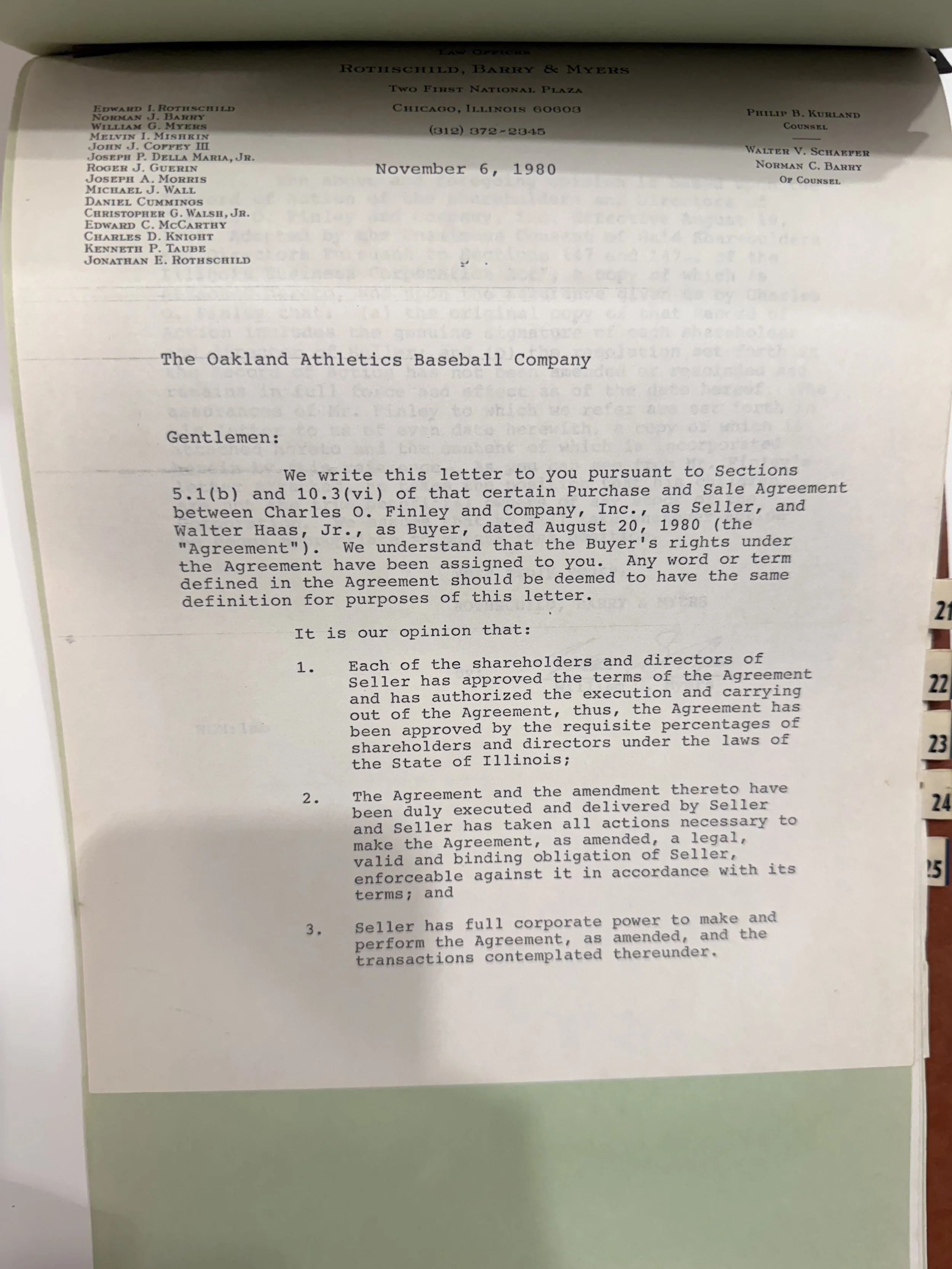
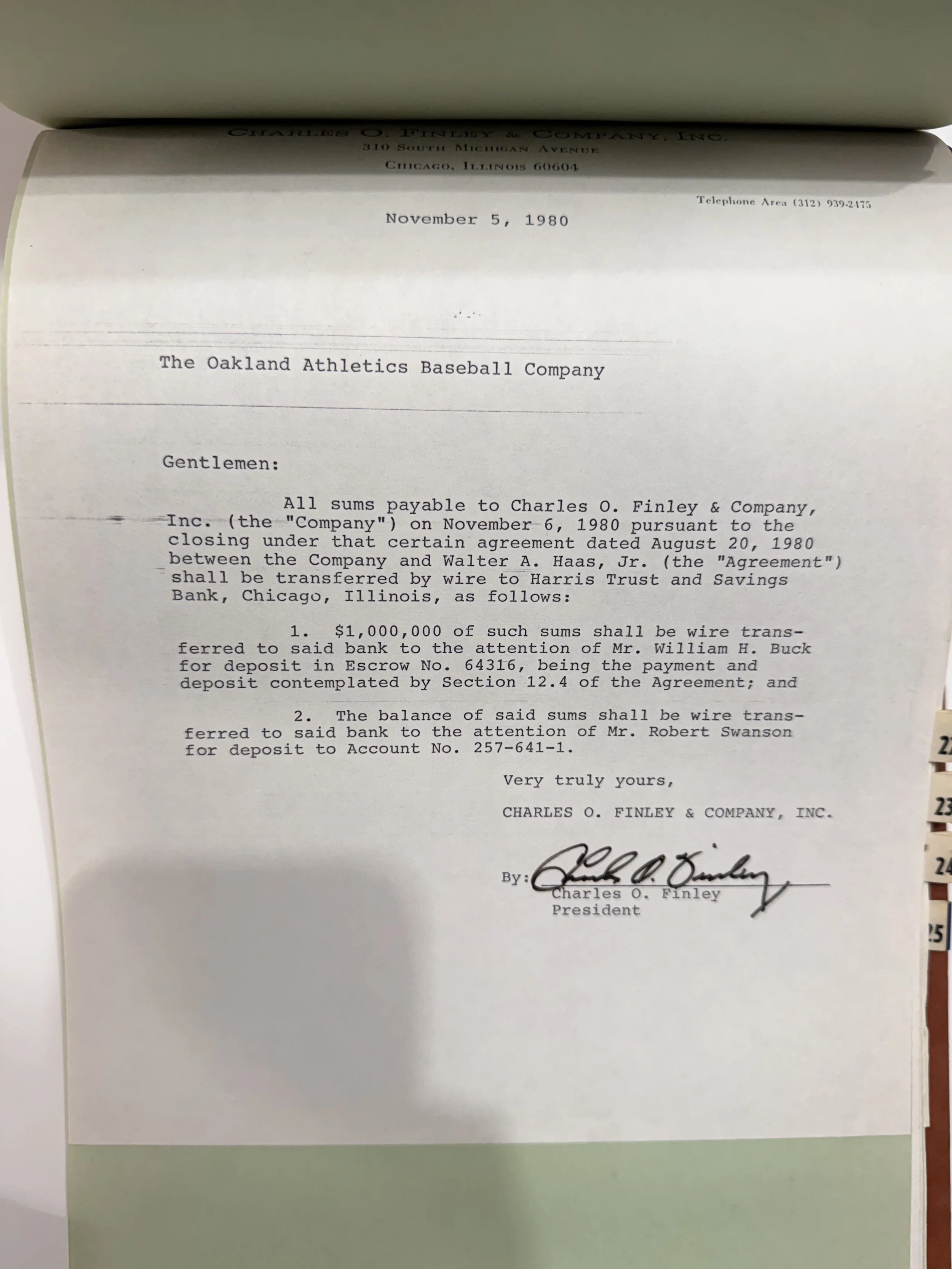
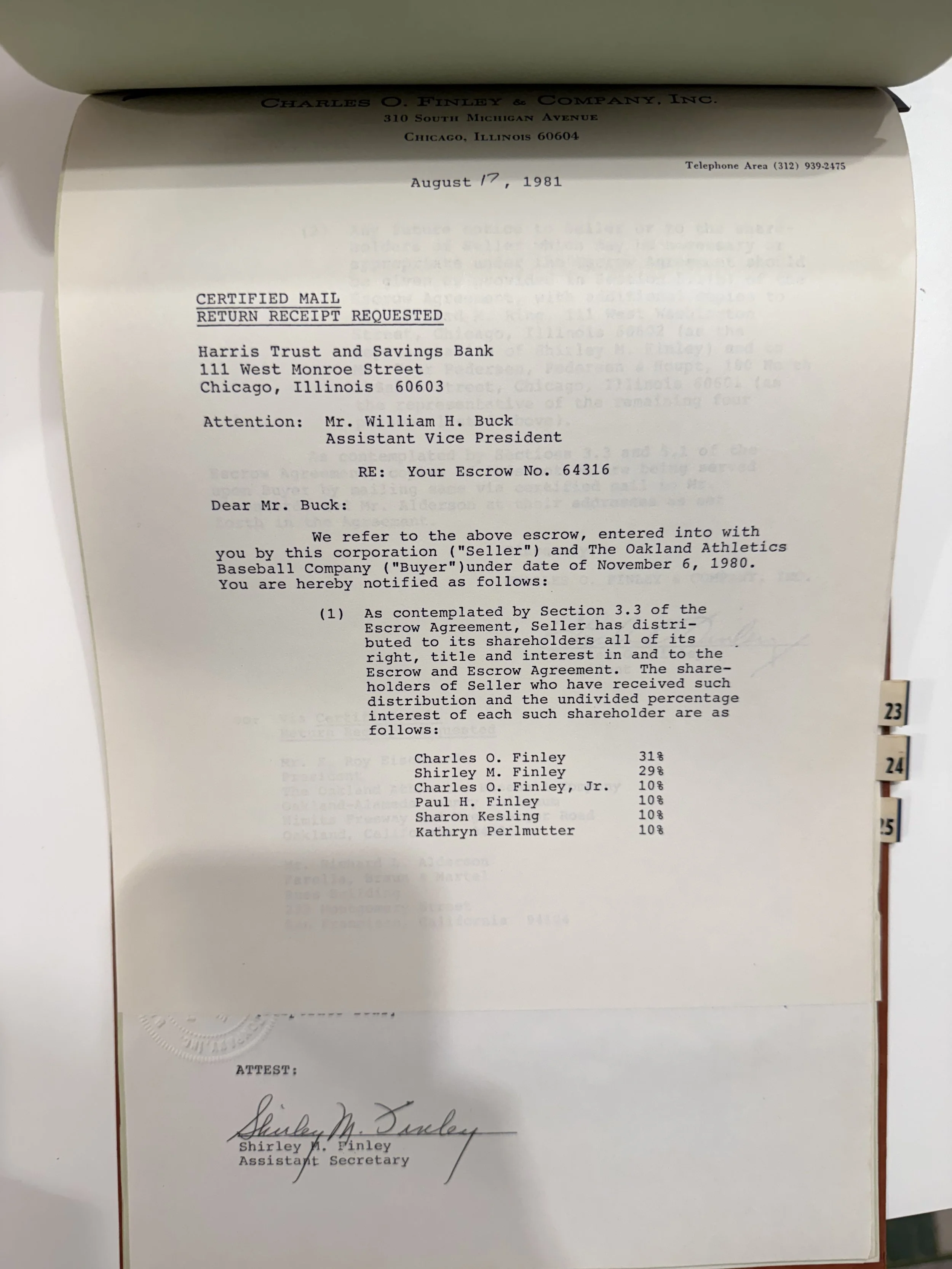
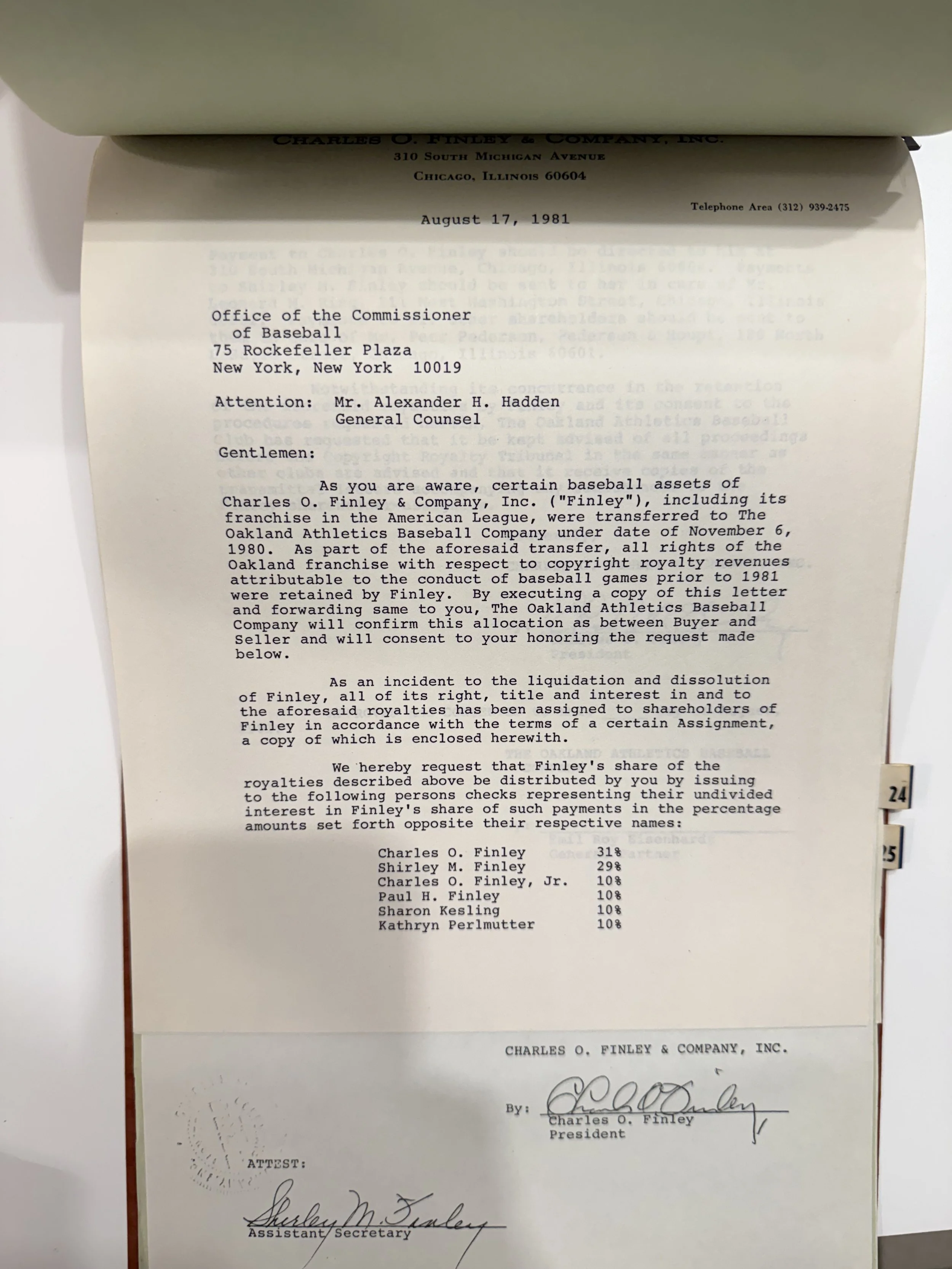
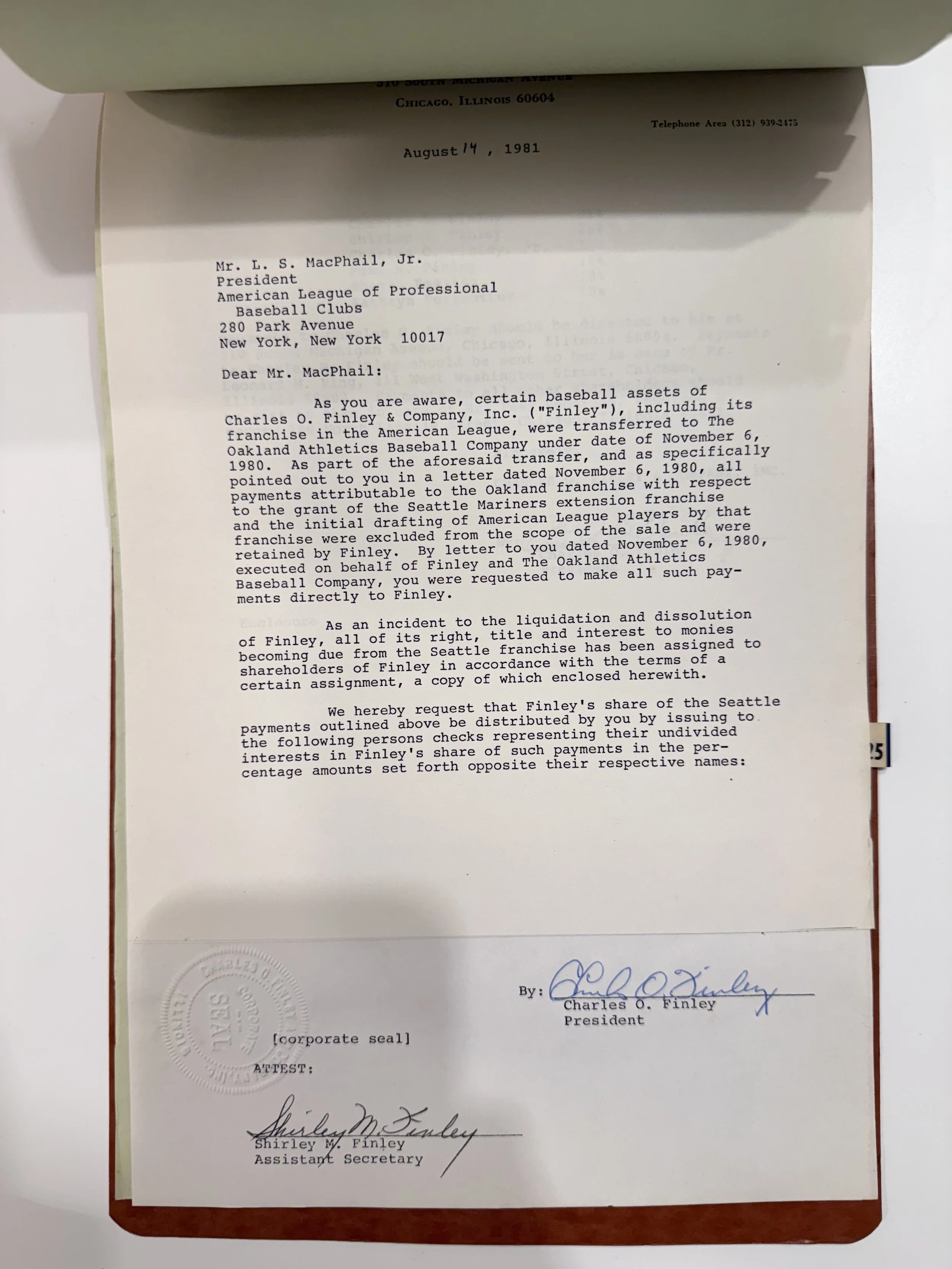
By the time Charlie Finley finally sold the Oakland Athletics, most people in baseball figured the team was leaving town one way or another. Finley had owned the club since buying into it in 1960, and his two decades in charge were legendary for both success and chaos, three straight World Series titles in the mid-1970s, running feuds with commissioner Bowie Kuhn, and a habit of selling off star players for cash that got several deals voided by the league office. By 1979 the A's had bottomed out, drawing barely 300,000 fans to a 108-loss season, and Finley had already tried once to move the franchise to Denver in a deal that fell through when local officials refused to let him break the Coliseum lease. This bound set of legal documents, prepared by Finley's own company, tells the story of what happened next: the actual Purchase and Sale Agreement dated August 20, 1980, transferring the American League franchise to a buyer who had no intention of moving it anywhere.
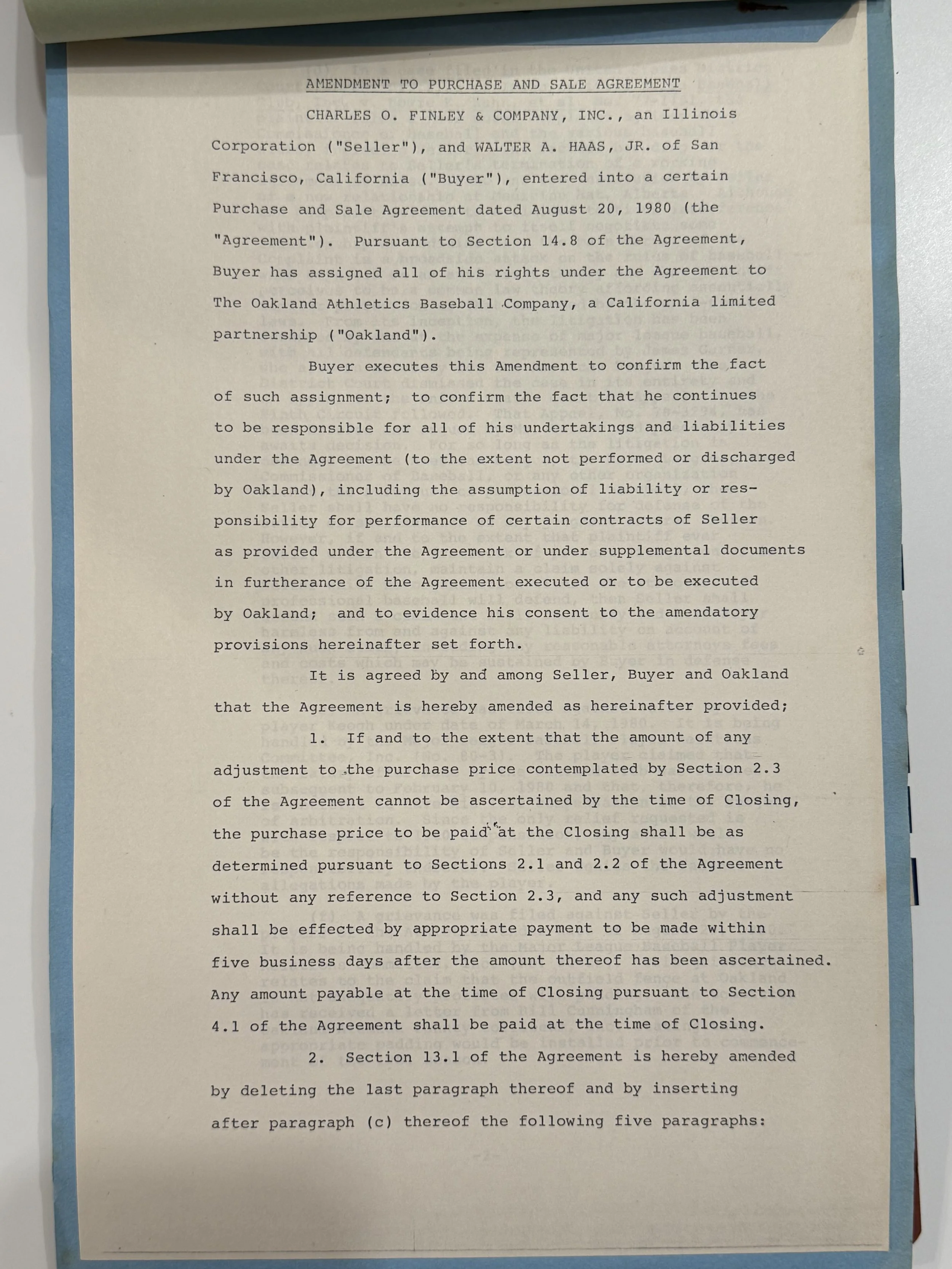
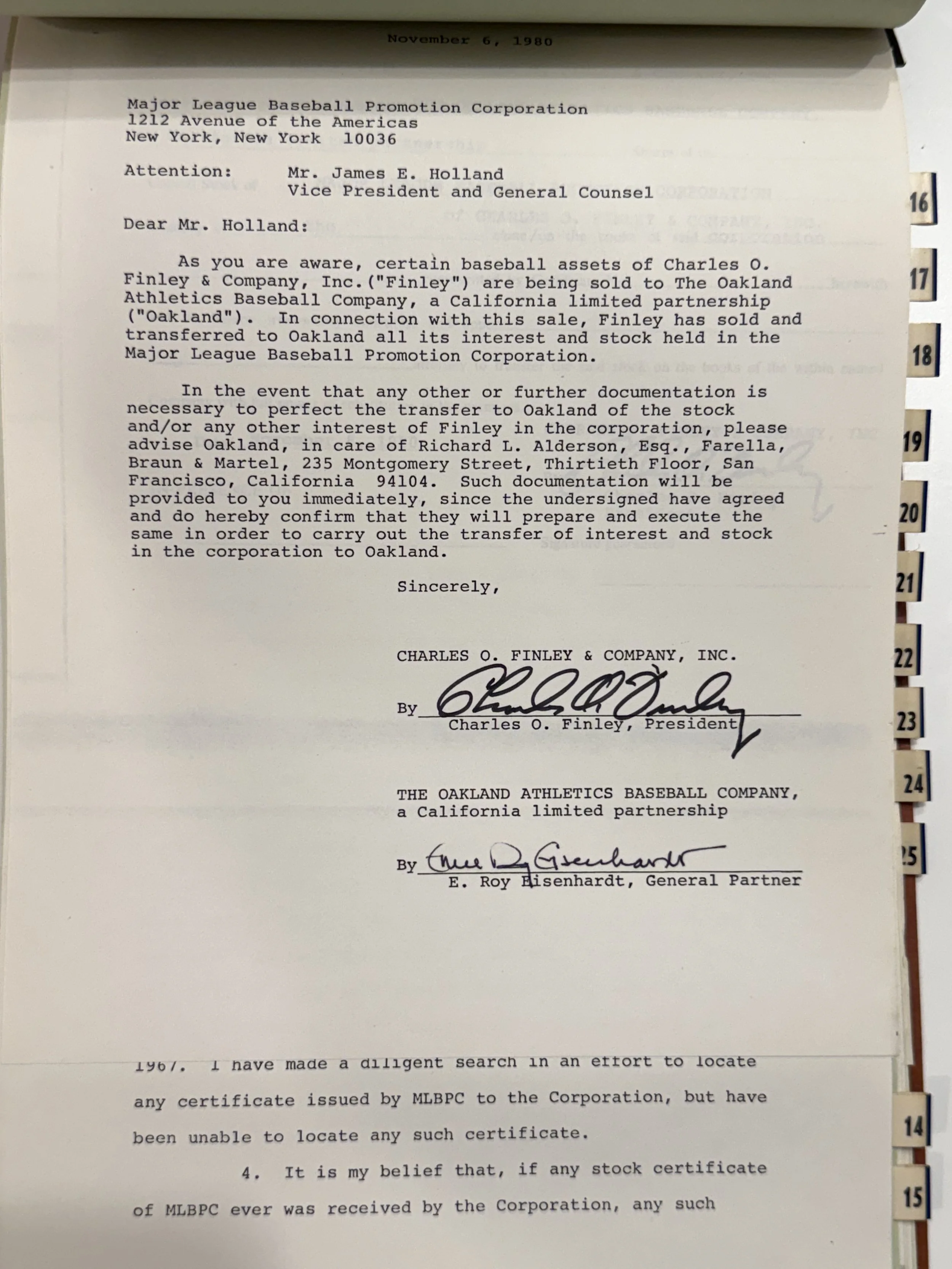
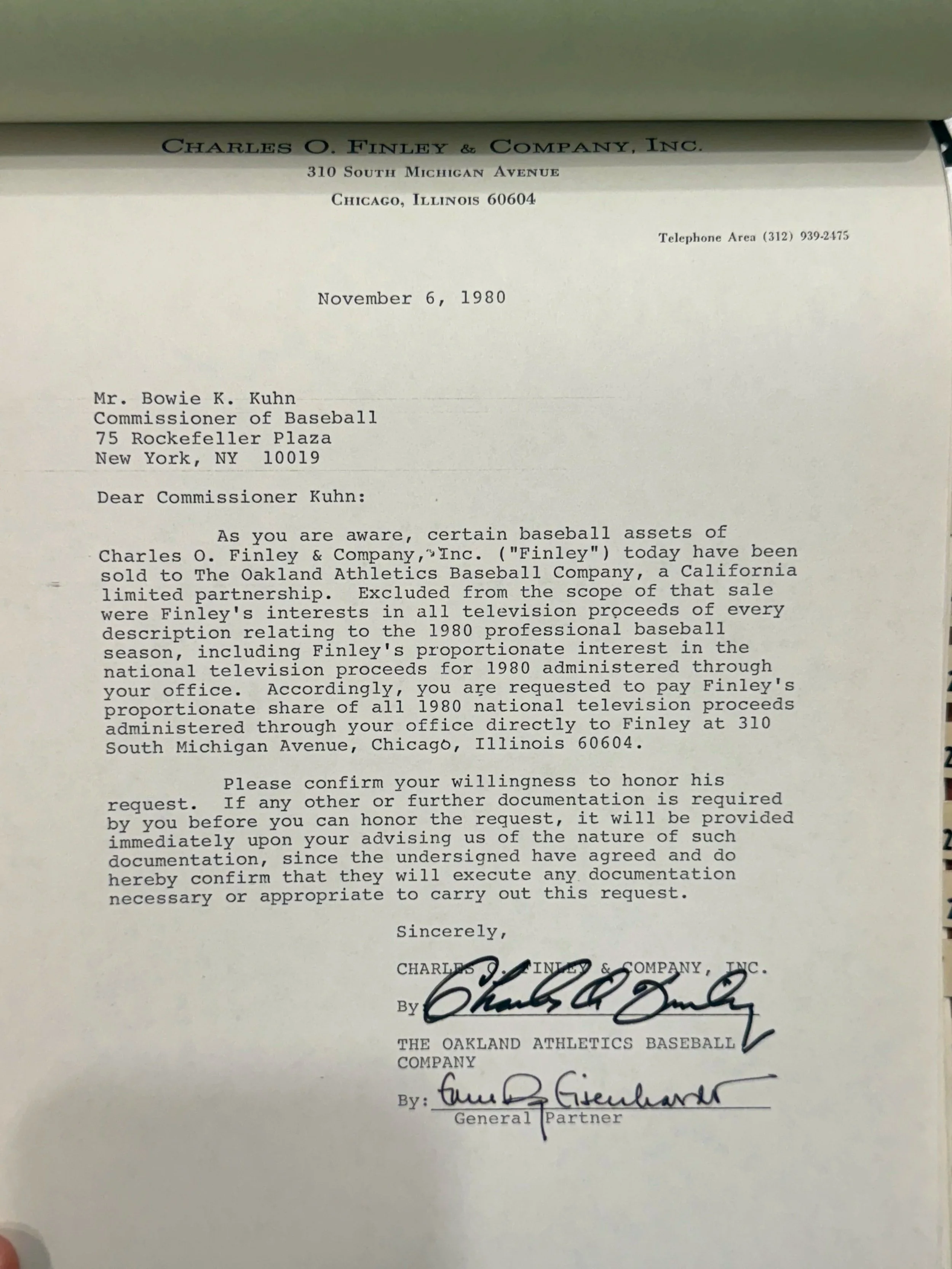
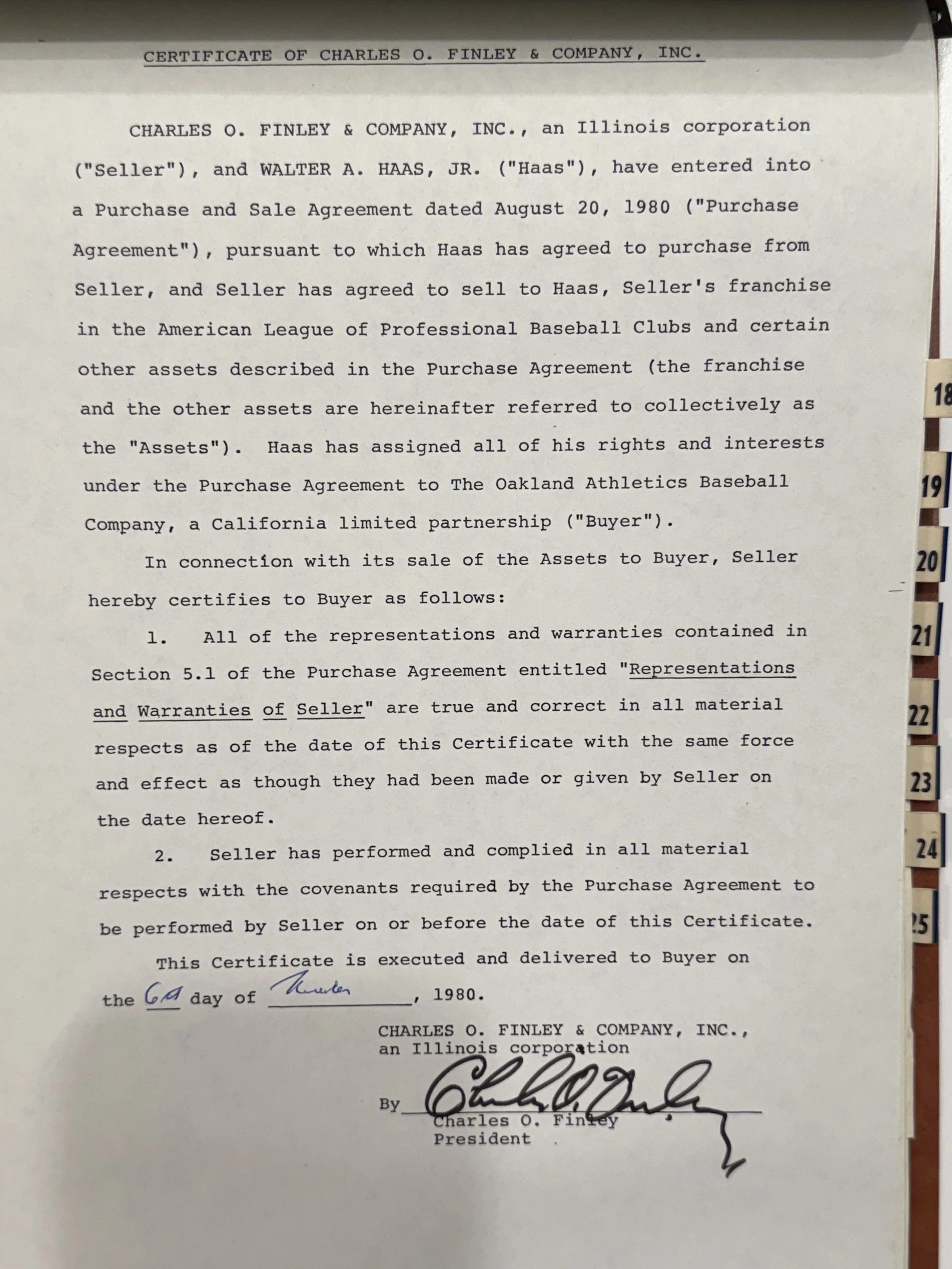
That buyer was Walter A. Haas Jr., the Levi Strauss chairman who paid $12.7 million largely as a gesture to keep the team in his hometown, an unusual motive in professional sports and one that shaped everything that followed. The documents include the closing statements, escrow agreement, trademark assignment, and the final bill of sale, along with a signature page bearing Finley's own hand as president of Charles O. Finley & Company, and Roy Eisenhardt's signature as general partner for the new Oakland Athletics Baseball Company, the Haas family entity that would run the club's business side for the next several years. What followed is remembered as one of the most stable, well-liked ownership eras in Oakland sports history, and this set of documents is the actual paper trail of the moment it began, the point where the A's stopped being Charlie Finley's team and became Oakland's team for good.
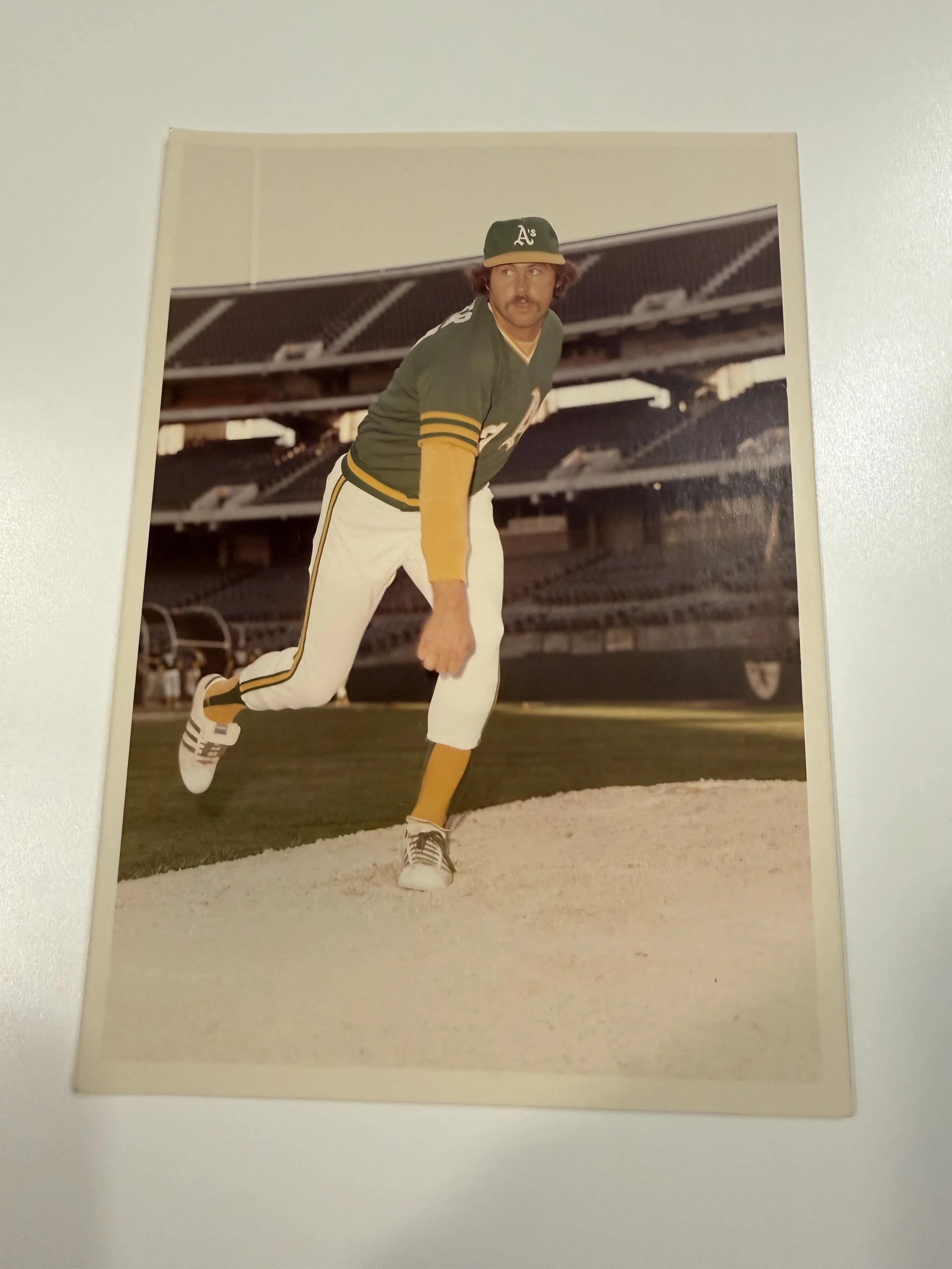
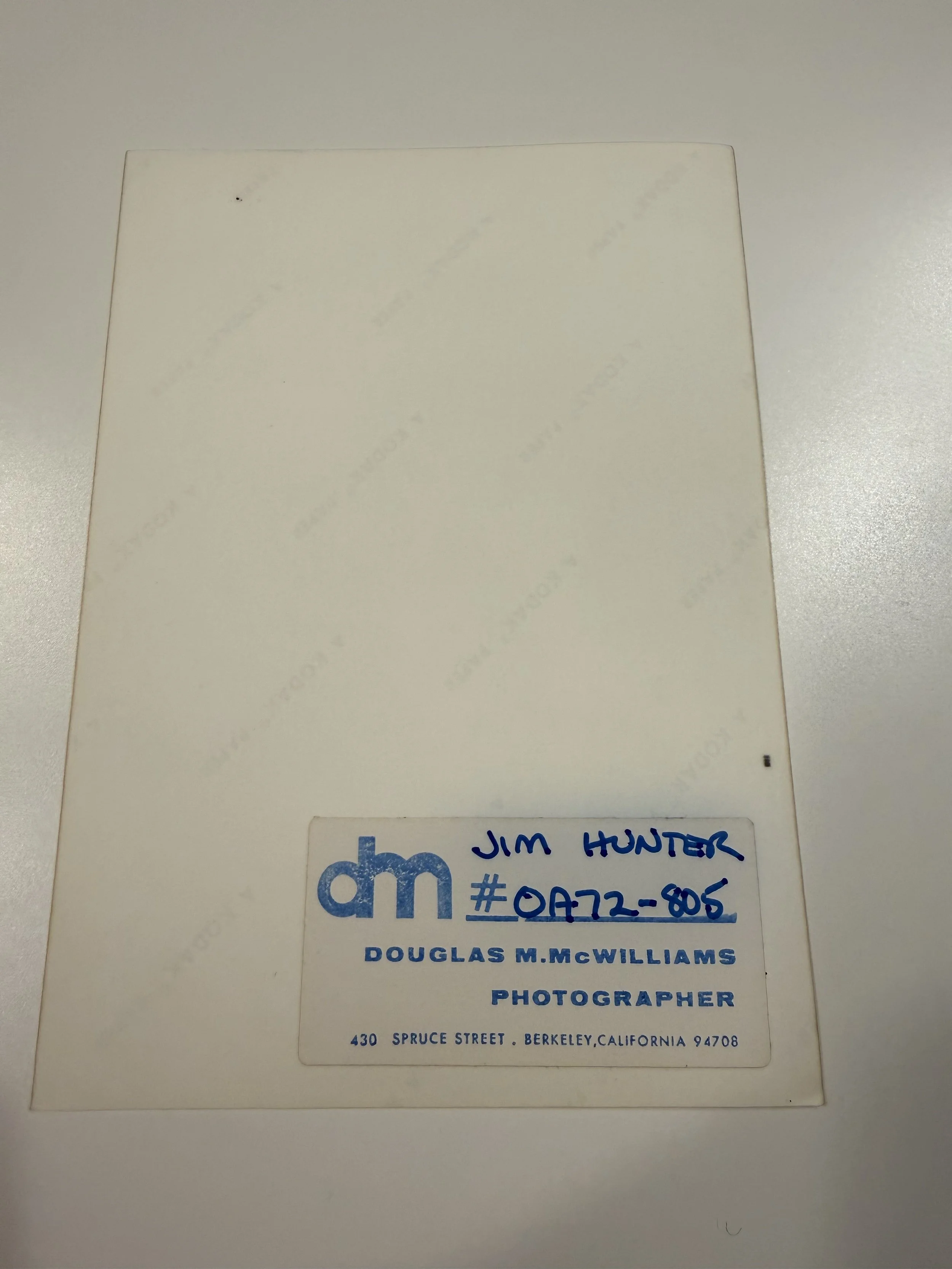
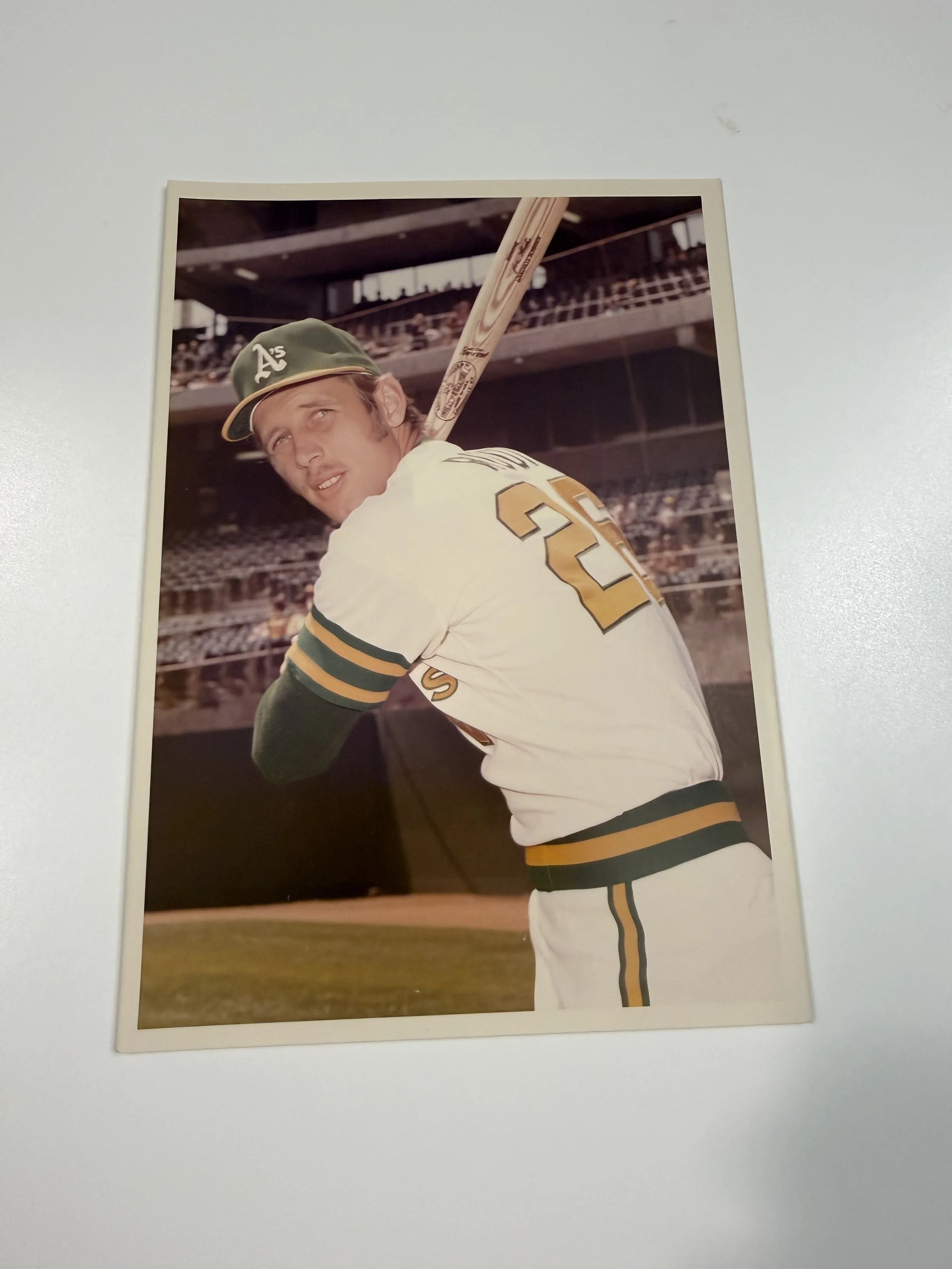
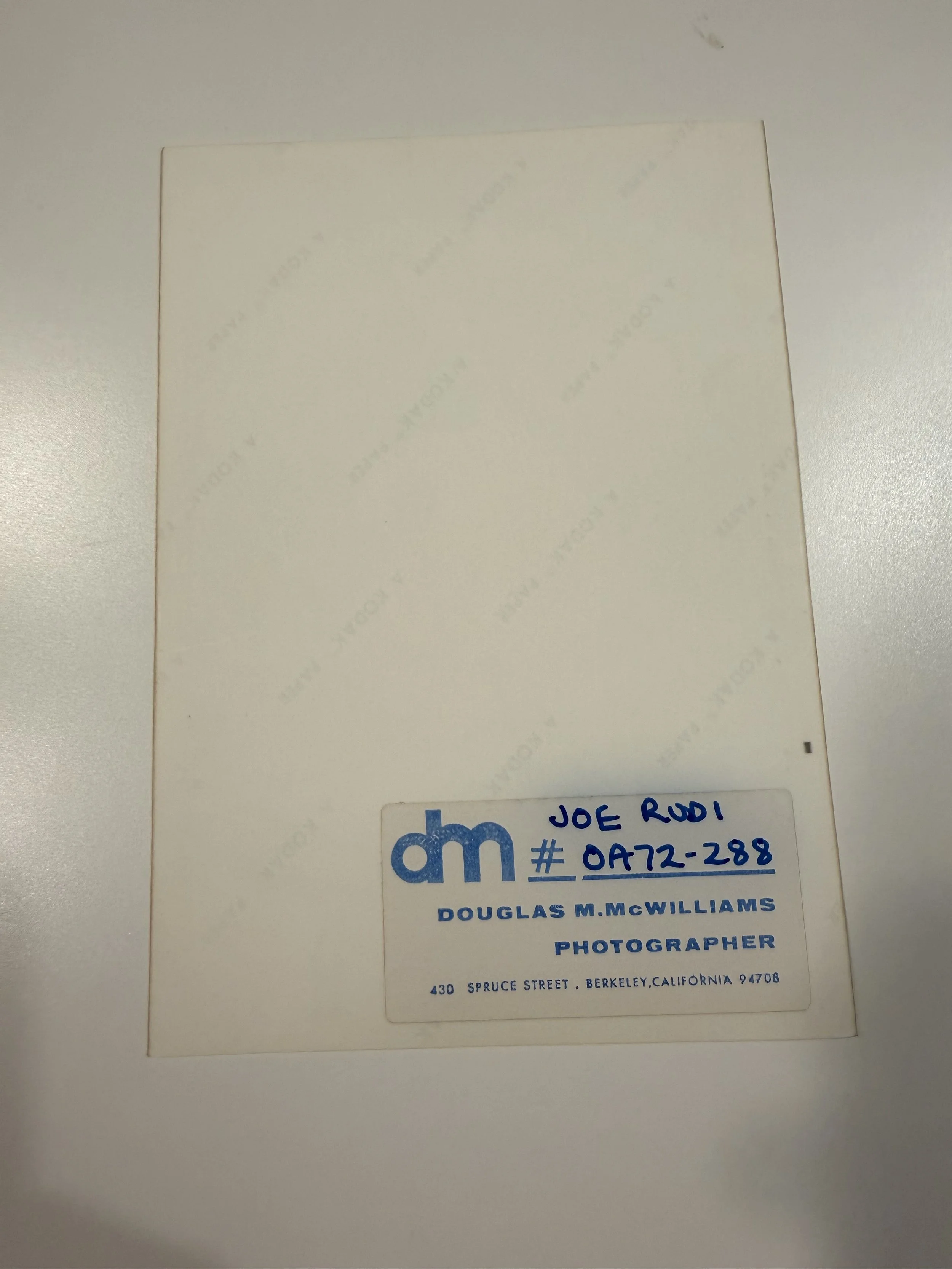
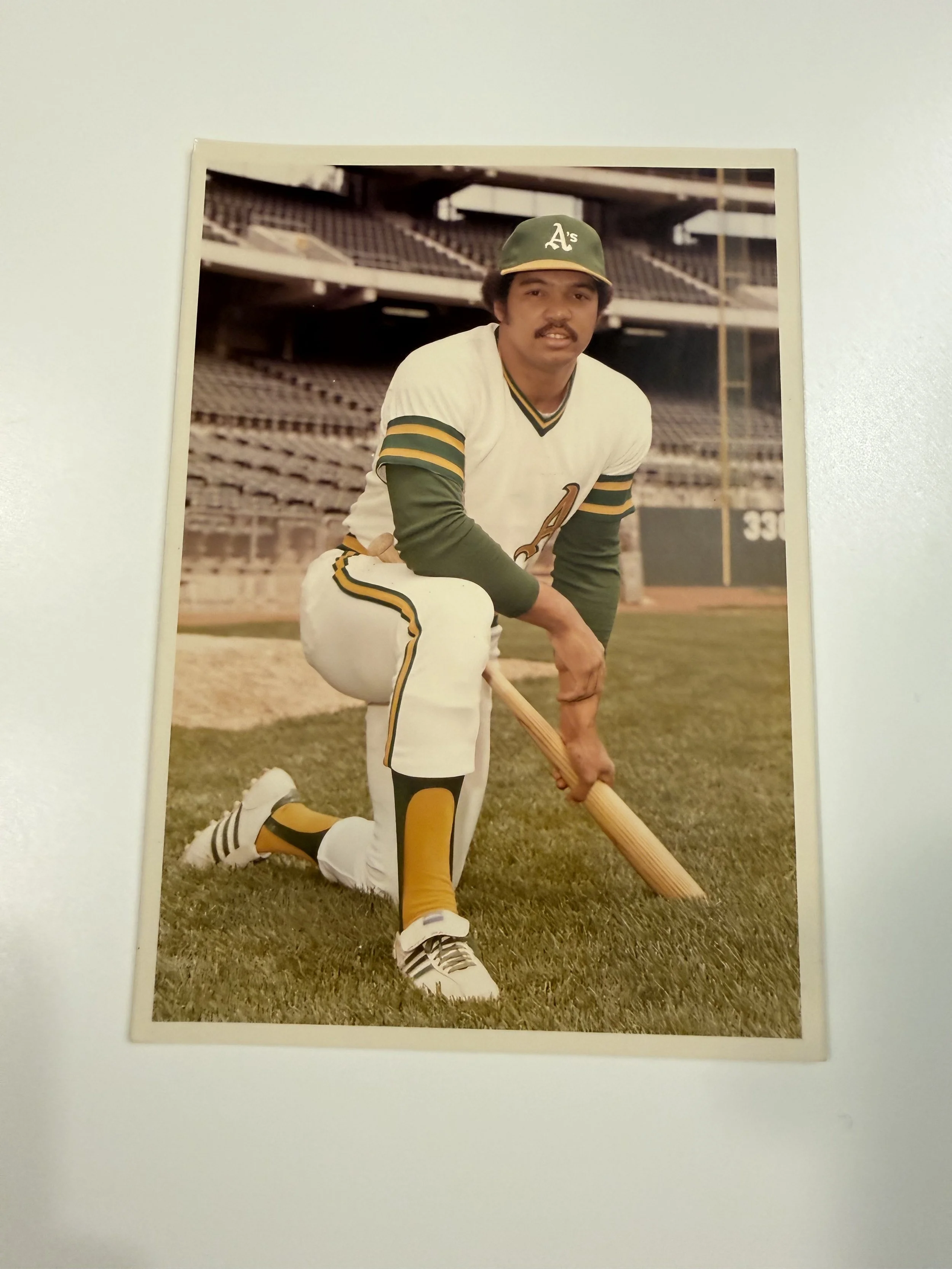
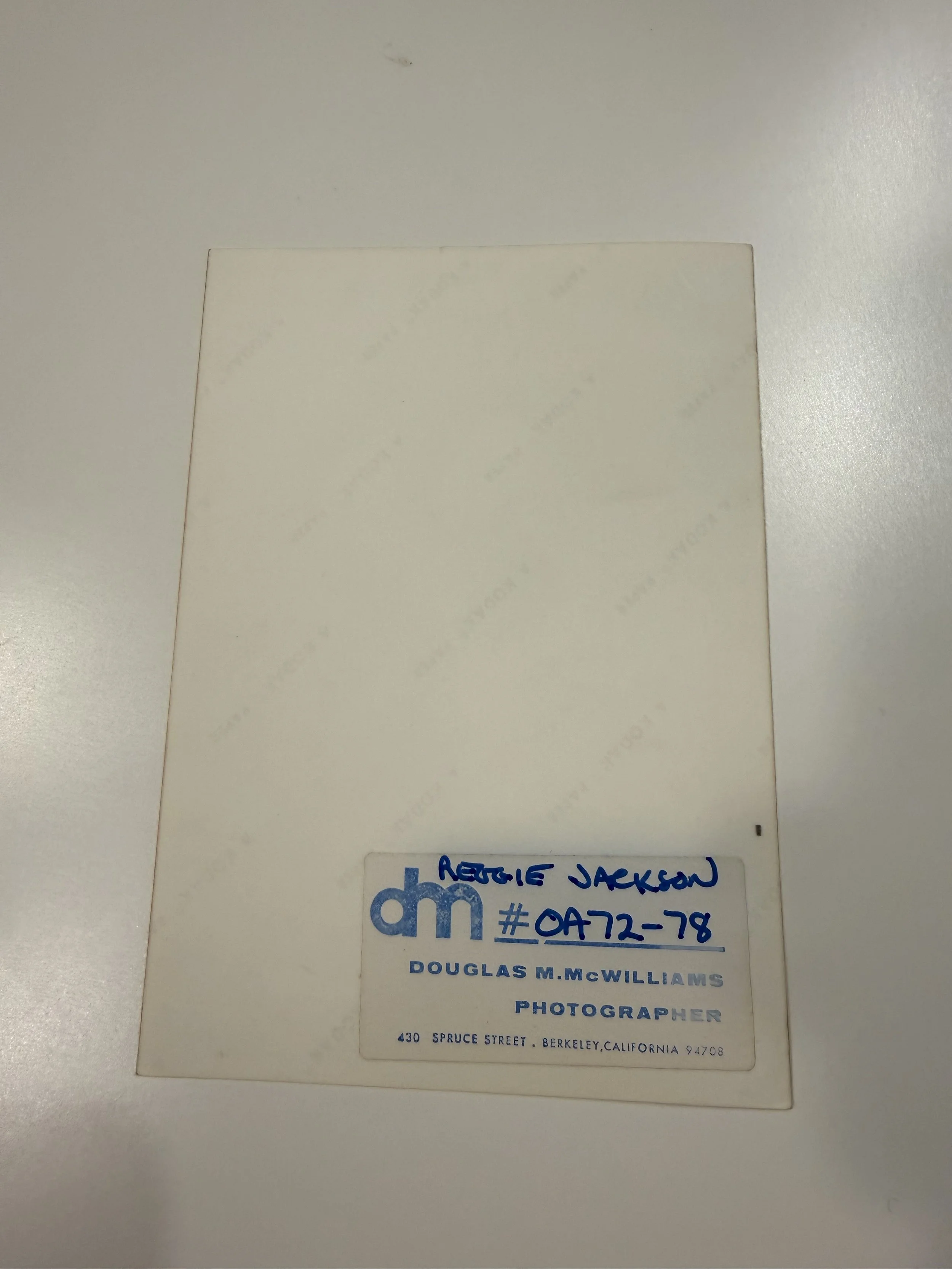
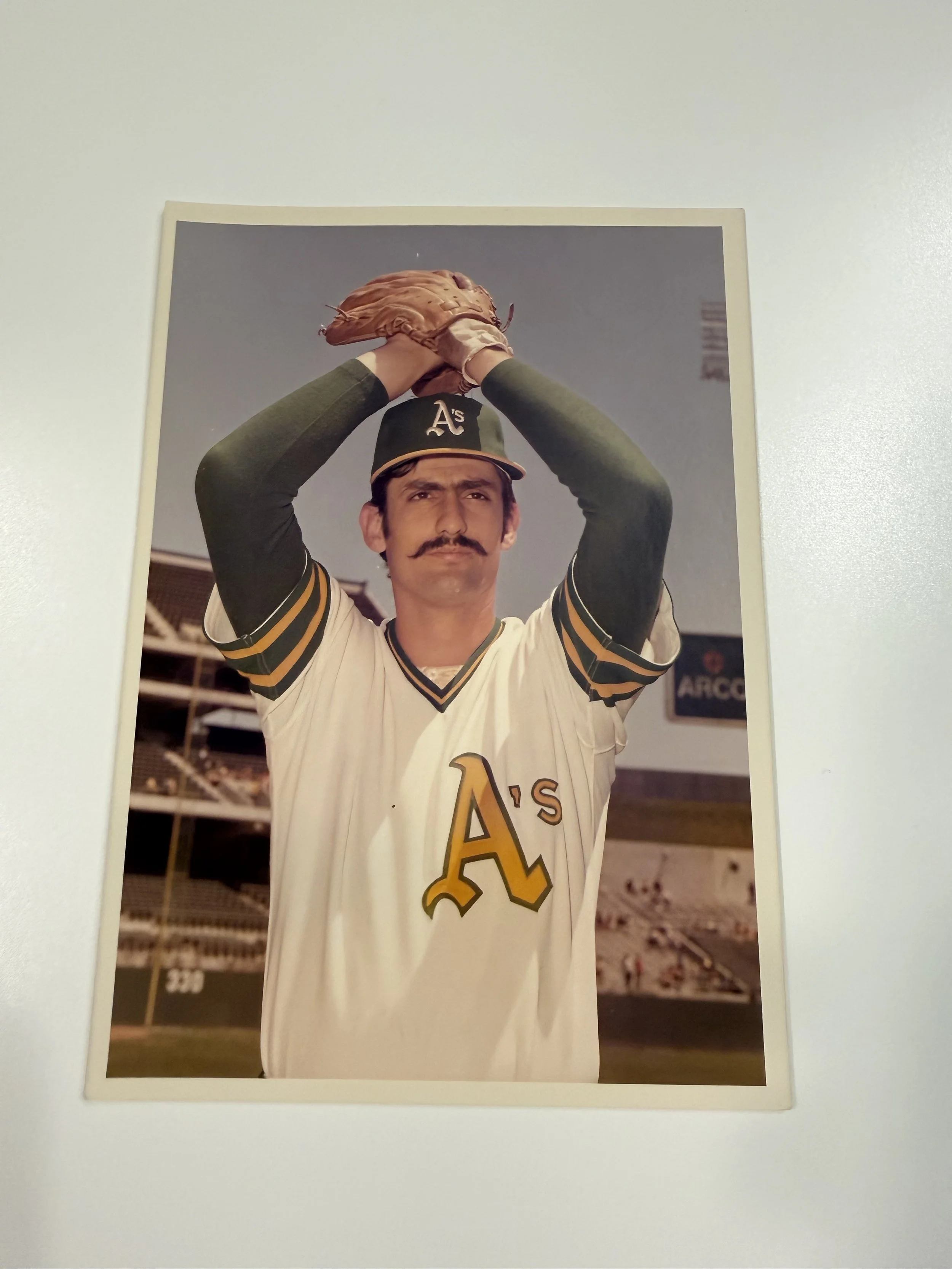
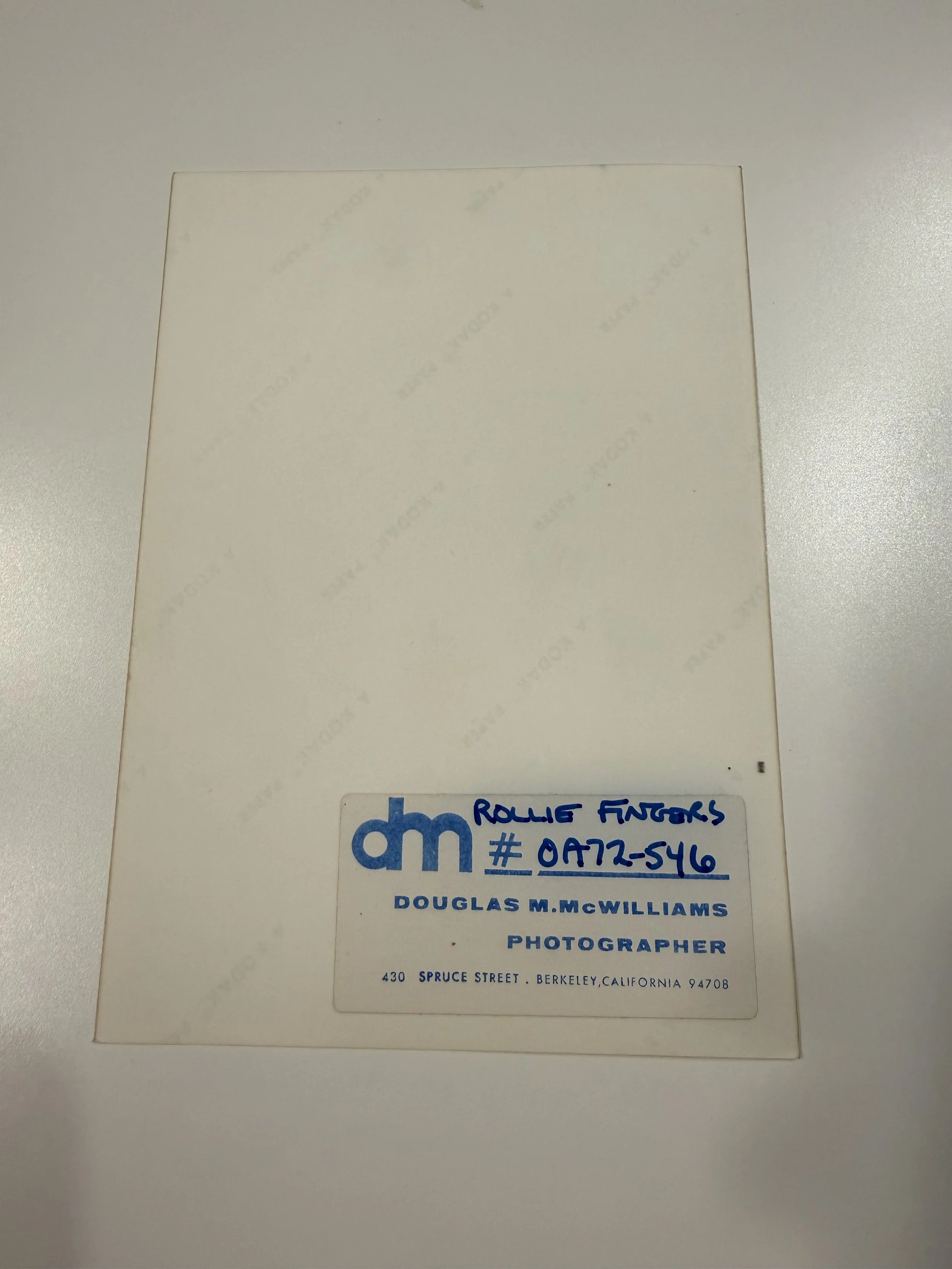
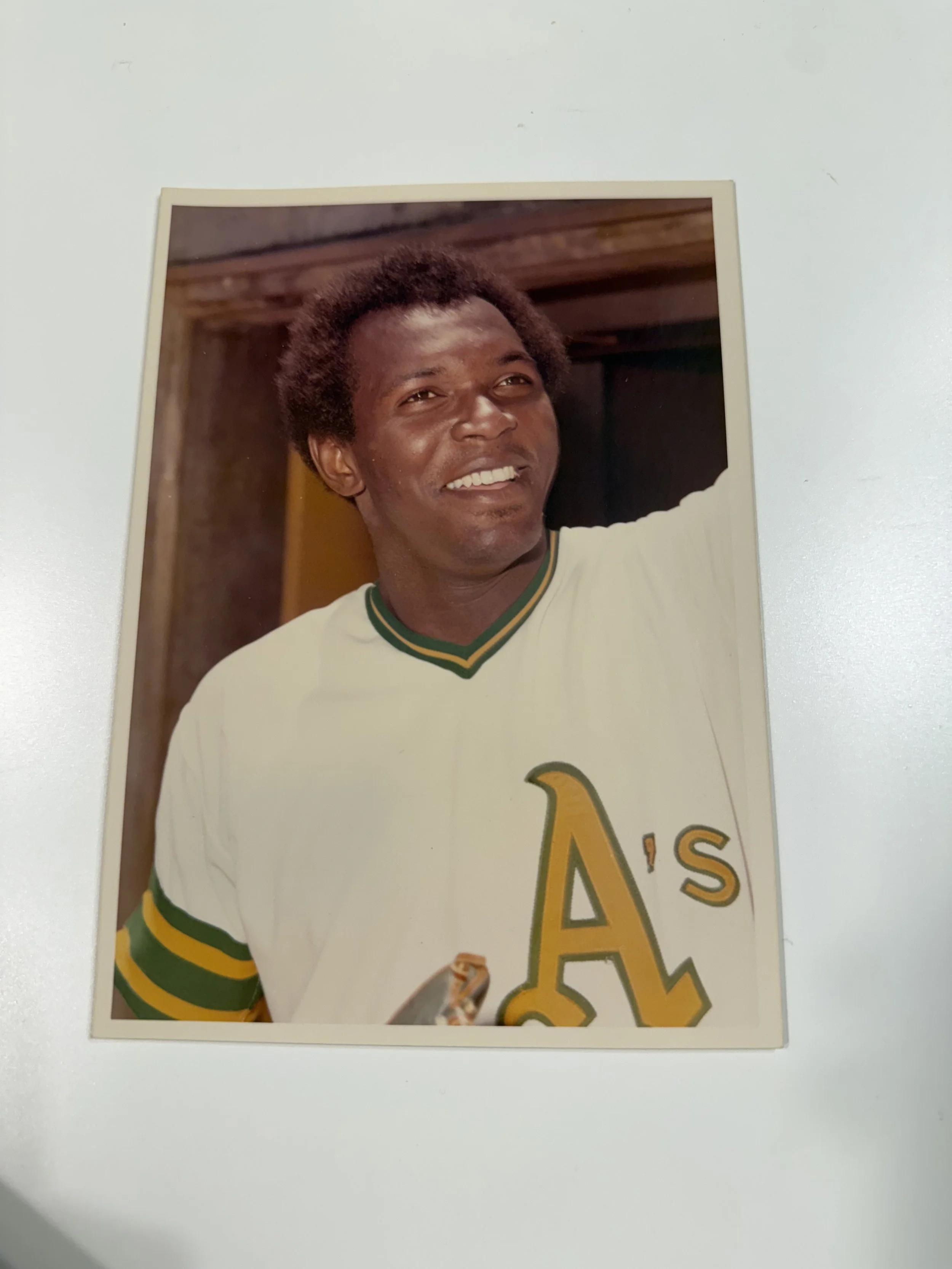
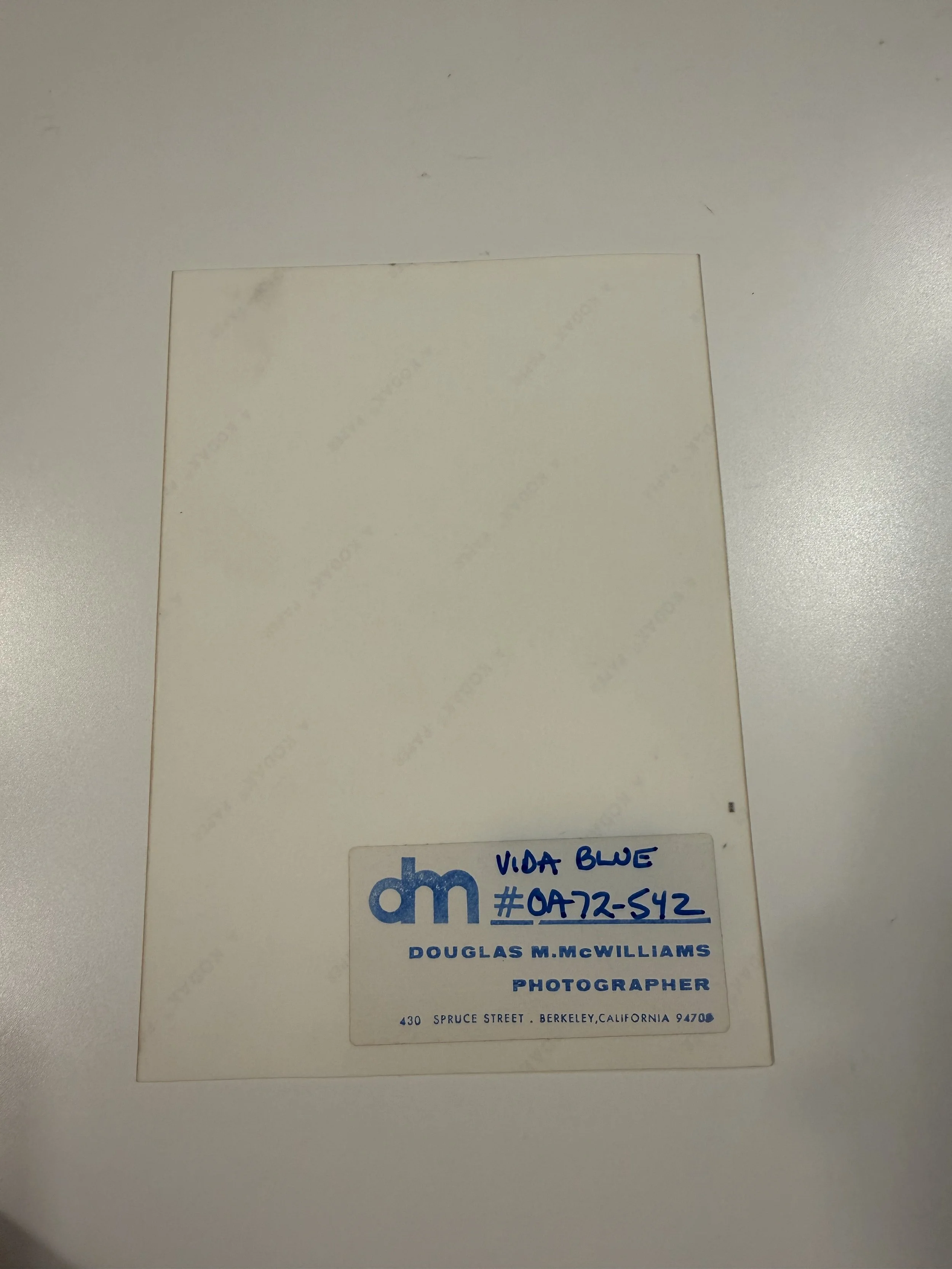
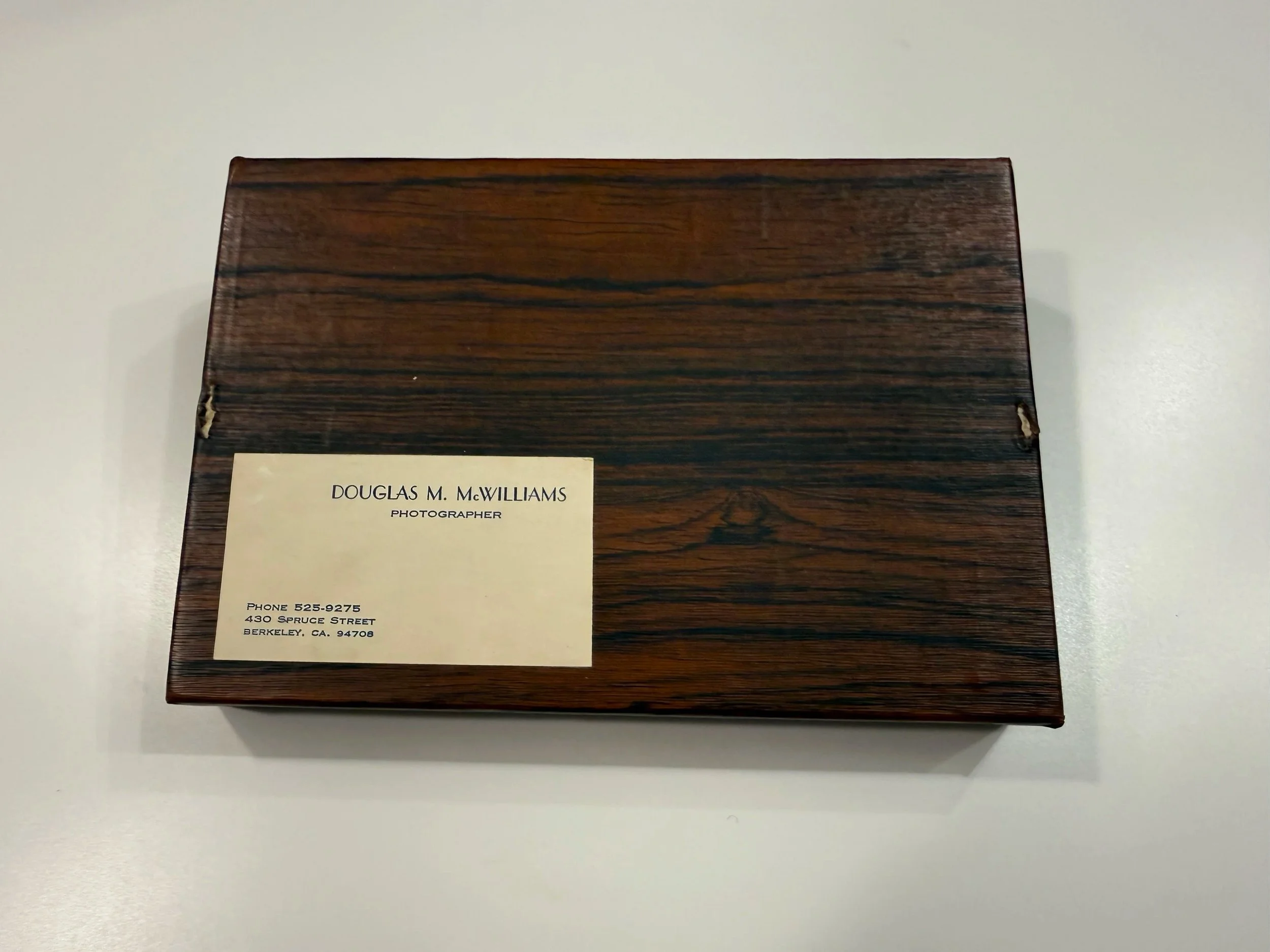
Alongside that legal archive sit the human pieces that built the dynasty in the first place. This selection includes five original photographs from a larger set covering the entire 1972 Oakland Athletics roster, shot by Doug McWilliams, the Berkeley-born photographer who spent nearly a quarter century behind the camera for Topps and whose collection of over 10,000 color negatives is now preserved in the Photo Archives at the National Baseball Hall of Fame. The spring of 1972 was McWilliams' very first Topps assignment, sent to Arizona to shoot four teams including Oakland, and he was required to capture five or six posed images of every player, manager, and coach in camp, working with a newly released Mamiya RB67 that gave his portraits an unusually large, high-quality transparency for the era. Hall of Fame Manager of Photo Archives Kelli Bogan has called McWilliams' donated collection invaluable, noting it fills a gap that was particularly weak in the institution's archives and remains among its most requested images by researchers and enthusiasts alike. Each print here is identification-tagged on the back with the team's own "OA72" code and a player's name in period handwriting: Catfish Hunter, Joe Rudi, Reggie Jackson, Rollie Fingers, and Vida Blue, five of the defining names on the roster that won it all in 1972, the first of three straight World Series titles for Oakland, and photographed by the very man whose work would go on to define an entire generation of baseball cards.
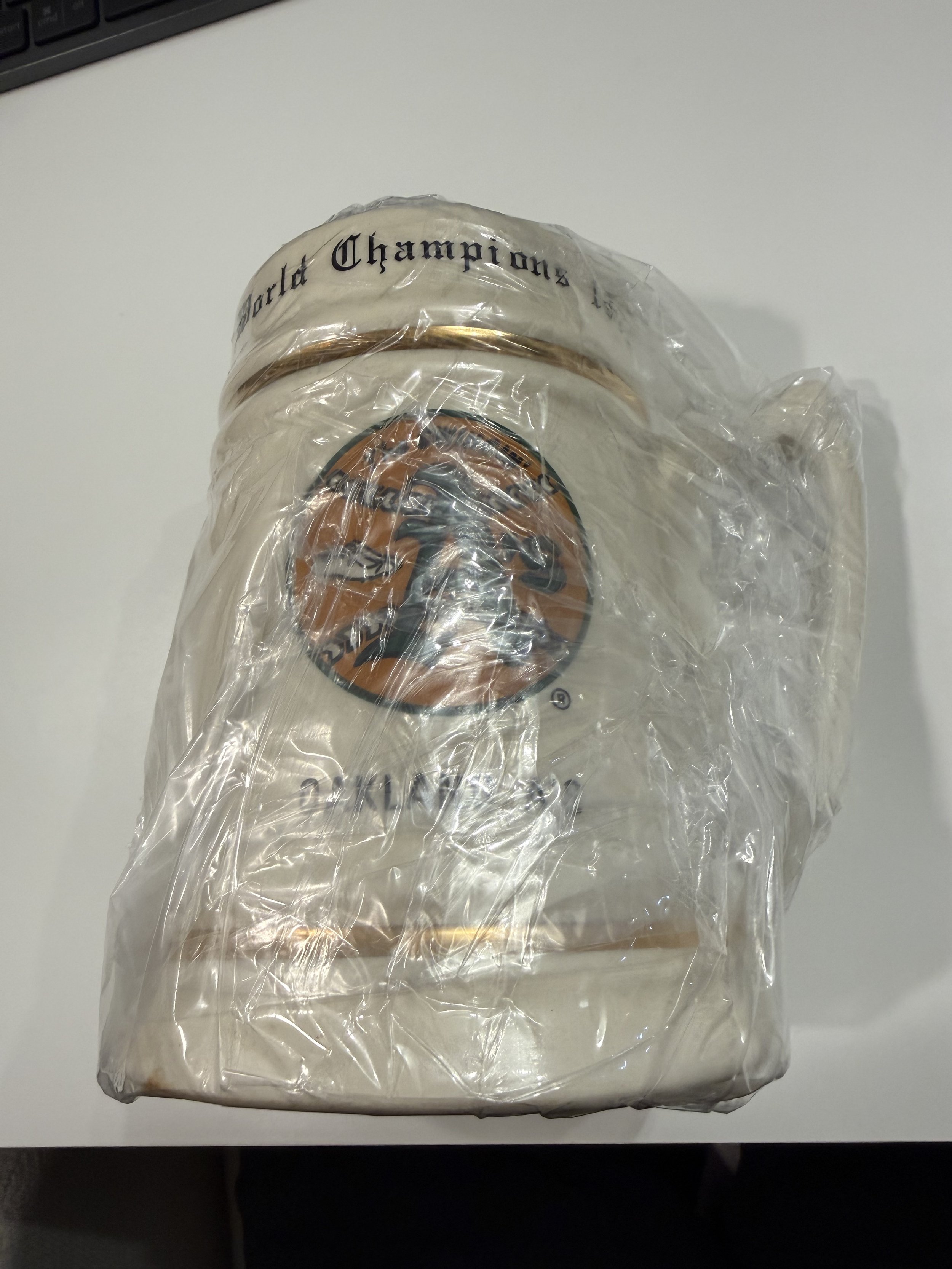
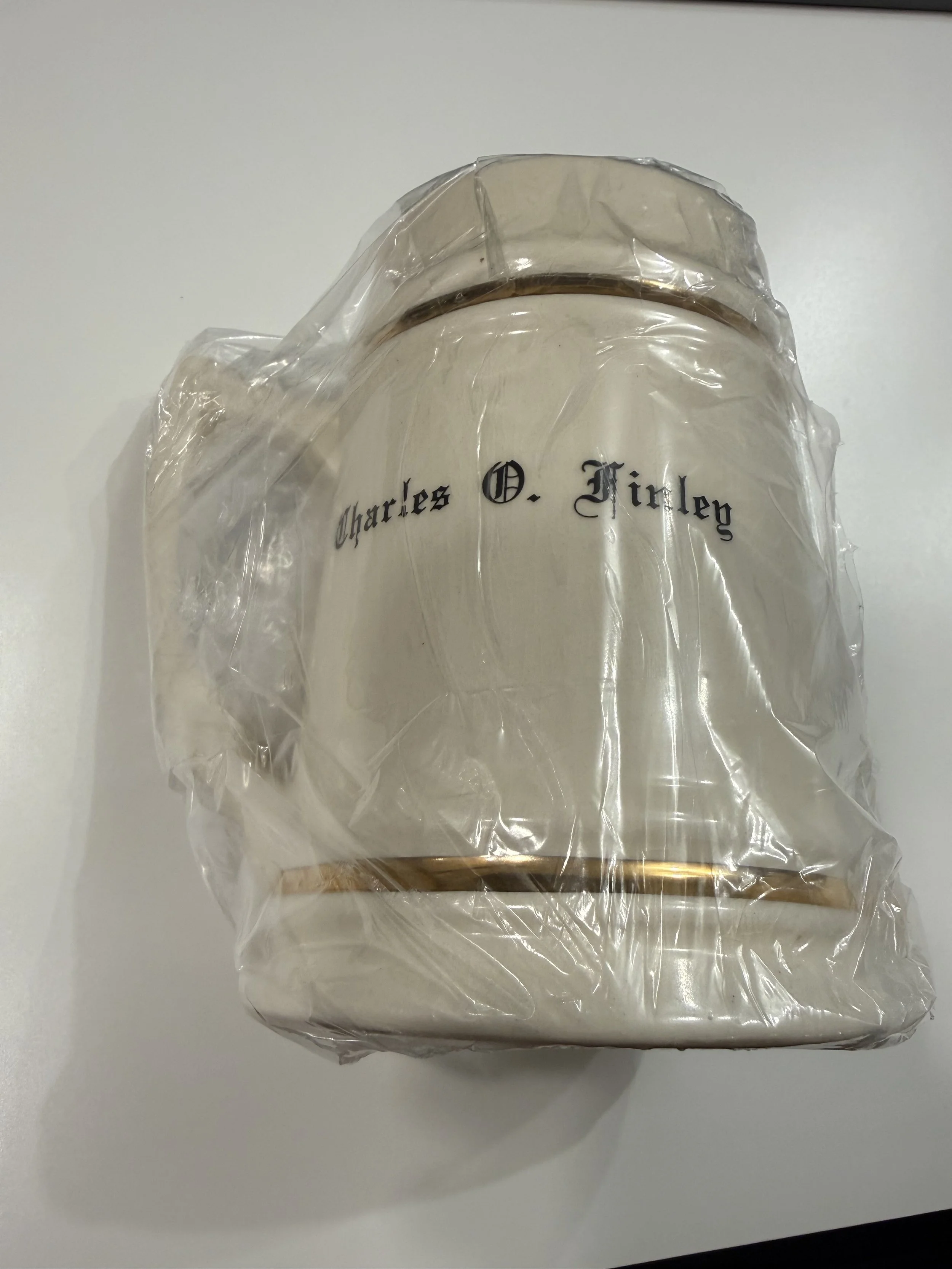
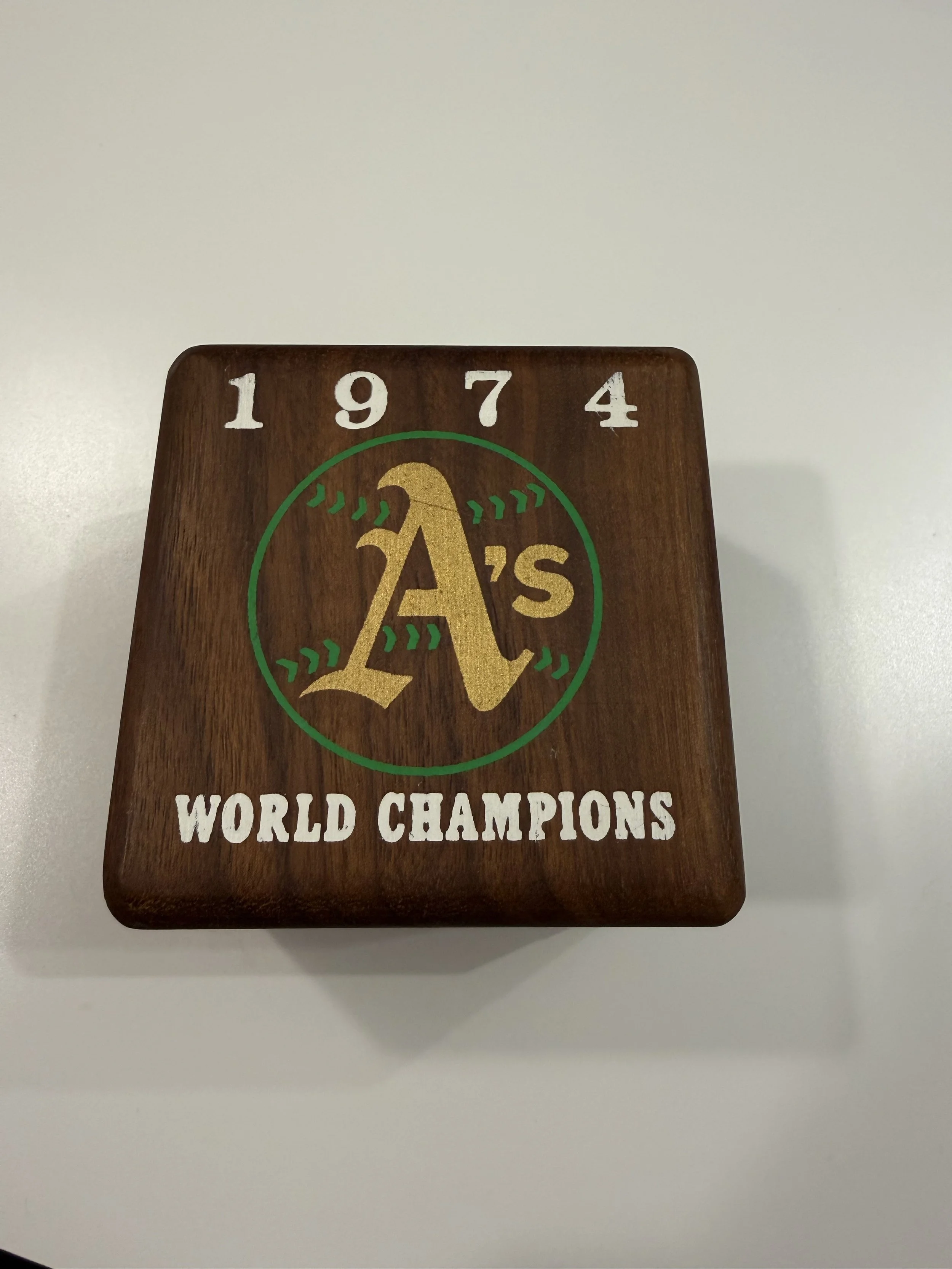
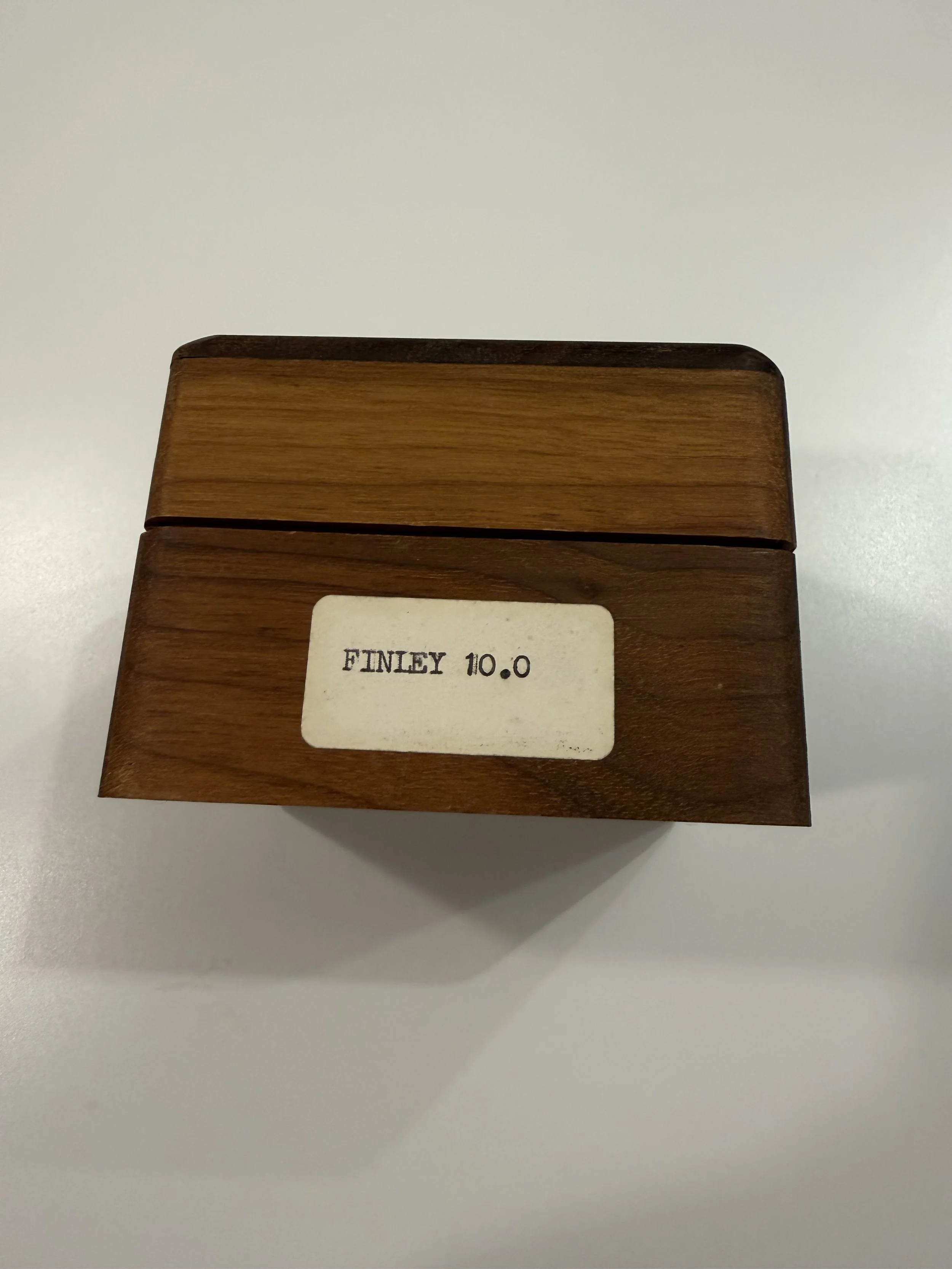
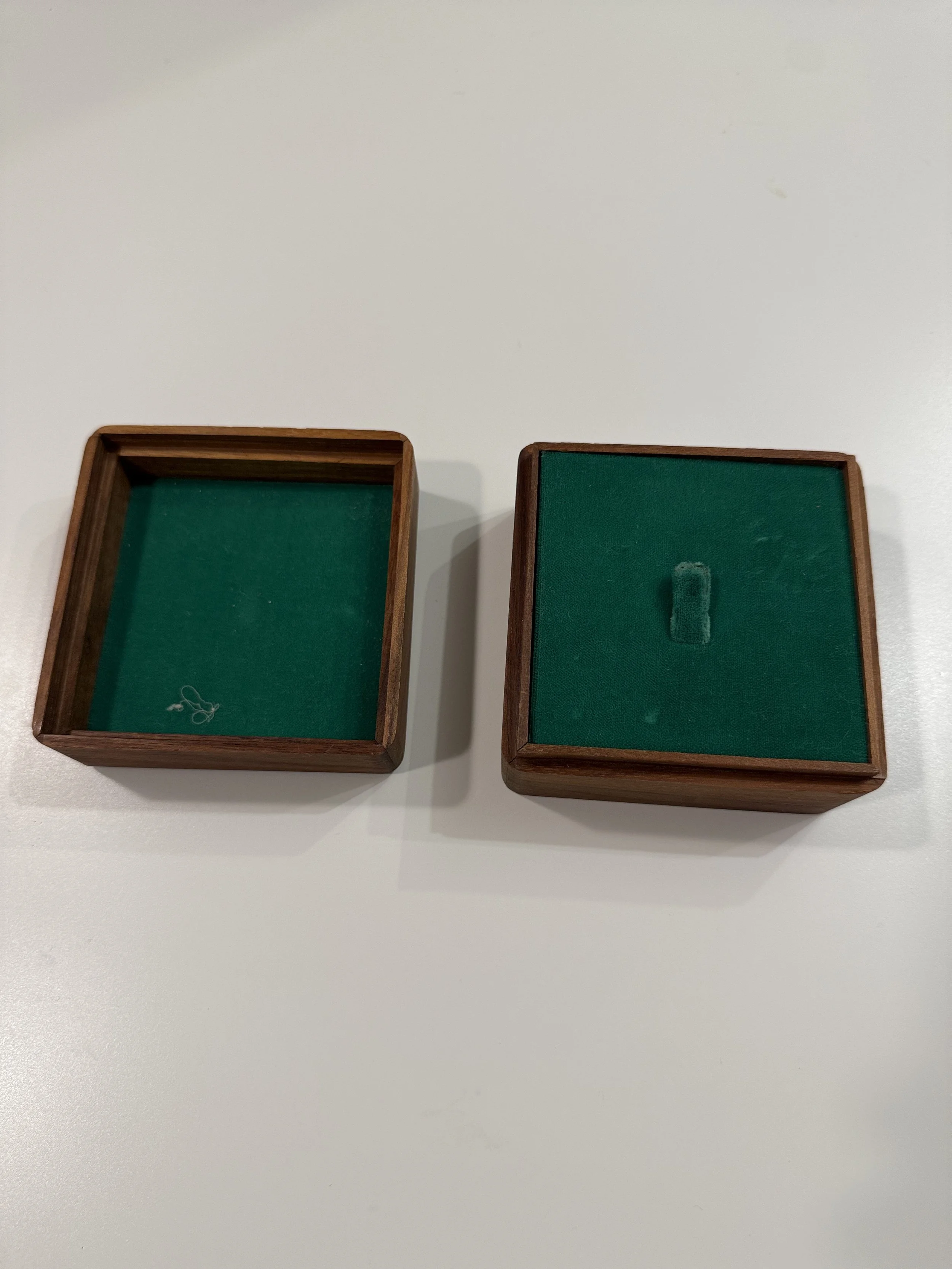
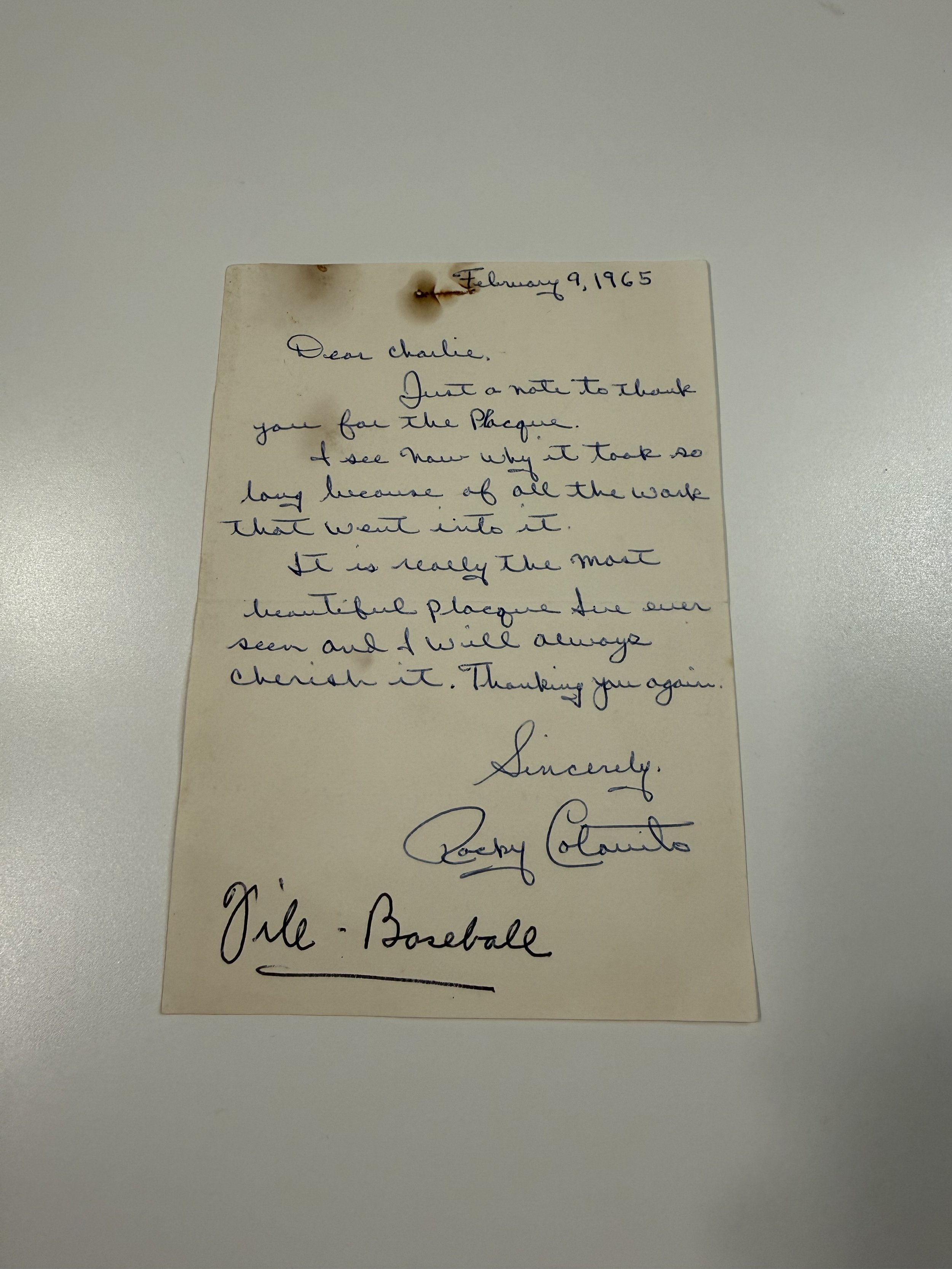
Then there are the pieces that put Finley himself front and center. A handwritten 1965 letter from Rocky Colavito thanks "Charlie" for a plaque, sent just weeks after Colavito was traded away following his lone 1964 season in a Kansas City A's uniform, a small, personal note that captures the genuine loyalty Finley inspired even in players who didn't stay long. A ceramic stein personalized with "Charles O. Finley" and marking the 1973 World Championship sits alongside a wooden 1974 World Champions ring box bearing the classic green and gold A's logo, both objects made for Finley's own use and kept as his personal mementos of back-to-back titles. Together, this isn't a single item so much as an entire ownership era in miniature: the legal machinery that ran the franchise, the photography of the players who made it a dynasty, and the personal keepsakes of the man who owned it all, sold it all, and by every account never stopped being Charlie Finley through any of it.
Doug McWilliams’ photographs for Topps have become part of history at the Hall of Fame