A Coach in War and Peace: Naismith’s YMCA Mission in France, 1917-1919
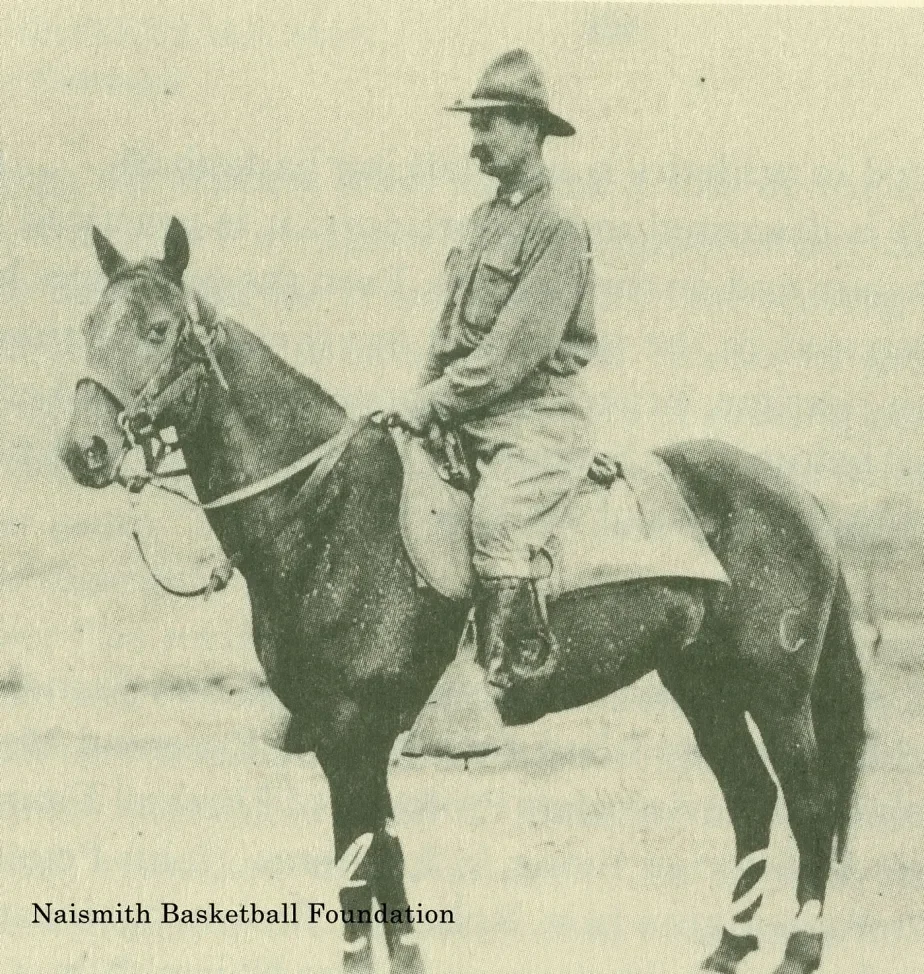
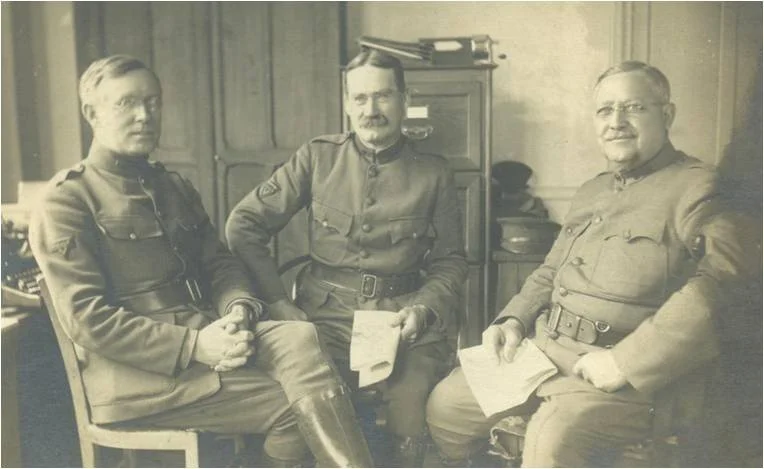
James Naismith is remembered as the man who invented basketball in December 1891, when he hung a pair of peach baskets in the gym of the YMCA training school in Springfield, Massachusetts. He was also a Canadian-born Presbyterian minister, a physician, and a longtime University of Kansas professor, and in 1917 he wanted to serve in the war as well. At 55, and not yet an American citizen, he could not get an Army chaplain’s commission, so he took a different route. He signed on as a volunteer with the YMCA, which supported the troops with morale and religious work. In September 1917 the YMCA sent him to France as an overseas secretary, where he spent 19 months, longer than most American soldiers served overseas. He organized sports for the troops and directed the YMCA’s social-hygiene section, a program focused on soldiers’ health and conduct. In a letter home he described the work as making the camps clean places for the boys to fight, and called it “no child’s play.” He returned to the United States in March 1919.
What sets this piece apart is that it documents Naismith as an immigrant, not as the celebrated inventor of a sport. These bilingual immigration papers record his return from France after nearly two years of service, and they come from the same period in which he filed for American citizenship, which was not granted until 1925. Most Naismith memorabilia connects to basketball itself, such as rule sheets, game-era photographs and Kansas coaching material, while documents from his wartime service are far scarcer. These papers show a man who spent his later years convinced that sport could build character and who carried that belief into the middle of a world war, applying the same principles of physical and moral development that gave the world basketball to the soldiers of the American Expeditionary Forces. Naismith lived until 1939 and was the first person enshrined in the Naismith Memorial Basketball Hall of Fame.